A Korean exhibition inspired by the traditional sarangbang.
82notes #0003 (P)
안녕 (Hi)
This is a closer look at The Inner Room, an exhibition presented by Shinsegae. Rather than a review, think of this as me simply sharing what I saw and found interesting. I’m not an art historian or a design critic, so this isn’t meant to be an in-depth analysis. It’s just one person’s way of experiencing the exhibition. Along the way, I also wanted to share a few things about Korean culture that might help you understand it a little better. If you’re curious about Korea, I hope you find something interesting here.
Anyway… Let’s step inside.
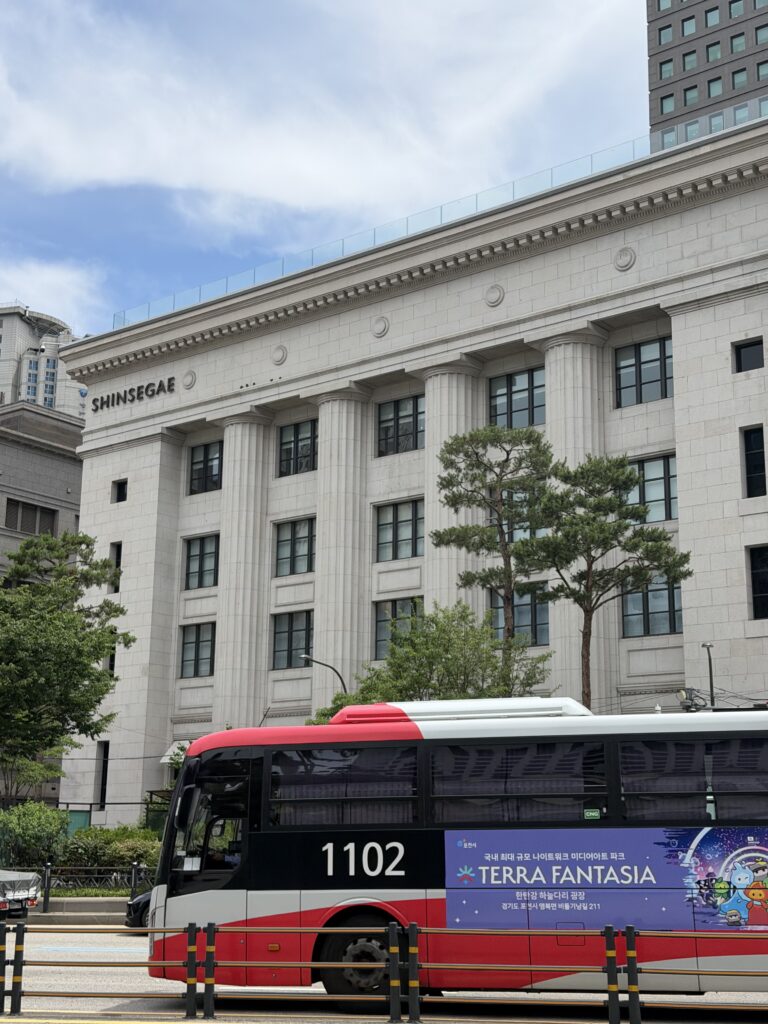
The exhibition was held inside The Heritage, a historic building restored and reopened by the Shinsegae Group in 2025. Long before that, the building was completed in 1935 during the Japanese colonial period. It was later designated as a cultural heritage site before being carefully restored into what it is today. I liked that the exhibition wasn’t just displayed in a gallery—it was housed inside a building with its own story.
The area around The Heritage is one of the best places in Seoul if you enjoy historic architecture. Within a short walk, you’ll come across landmarks like the Bank of Korea Money Museum, the Seoul Metropolitan Library, Deoksugung Palace, and Sungnyemun (Namdaemun Gate). It’s one of those neighborhoods where every few blocks feel like a different chapter of Seoul. (This walk deserves its own note.)
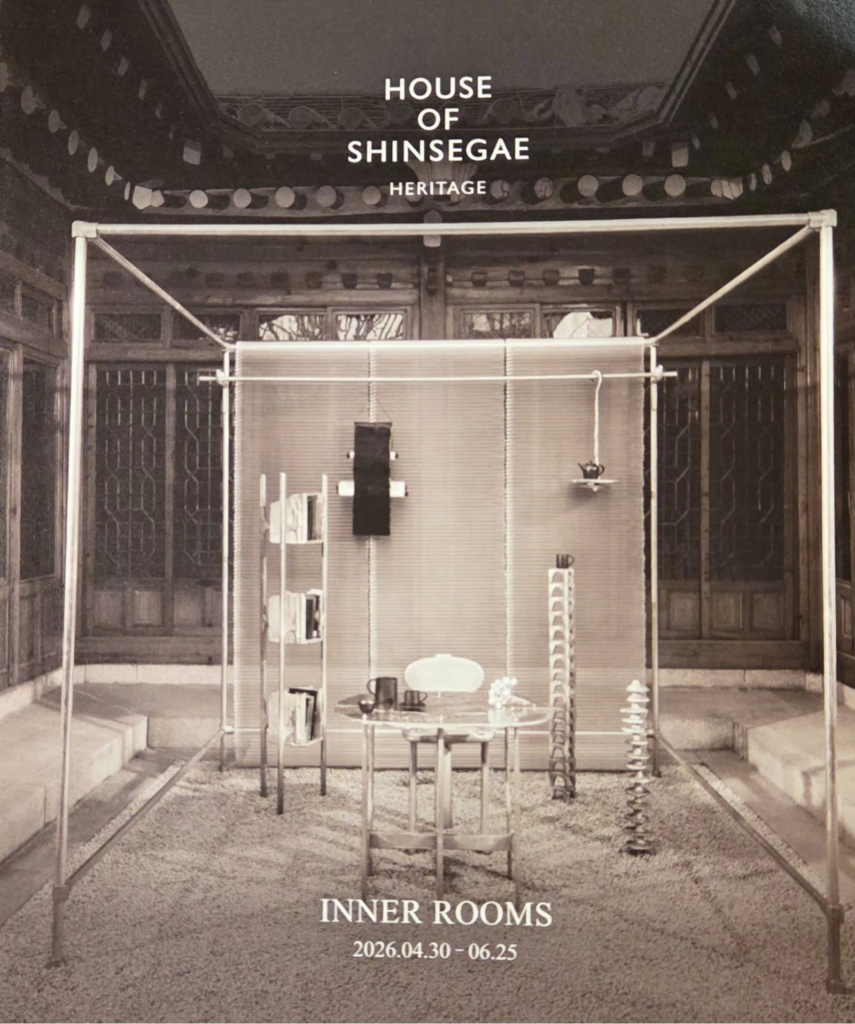
The Inner Room is an exhibition presented by Shinsegae at The Heritage. It reimagines the traditional Korean sarangbang through the eyes of contemporary artists.
Before we go any further, it’s probably worth explaining what a sarangbang is. Despite the name, it has nothing to do with romance. (I know… “love room” sounds very misleading.) A sarangbang was a uniquely Korean space where people studied, created, welcomed guests, and exchanged ideas. It was both personal and social—a room for quiet moments, but also for conversation. Furniture and everyday objects reflected the owner’s taste, while the room itself became a place where relationships naturally formed.
On the fourth floor, the exhibition features traditional objects from the sarangbang, including the gobi, a wall-mounted wooden storage piece, reinterpreted through a variety of contemporary materials. The fifth floor focuses on the soban, a traditional Korean portable table. Once an everyday household object, it’s reimagined here through modern design, showing how familiar objects can evolve while still carrying traces of the past.
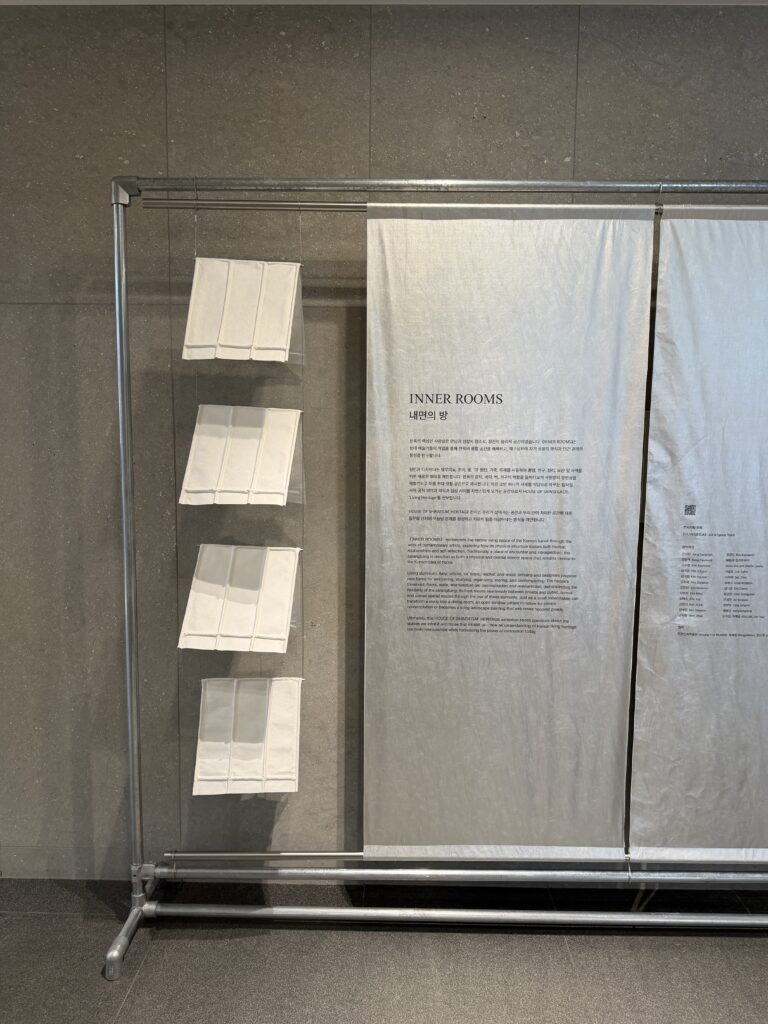
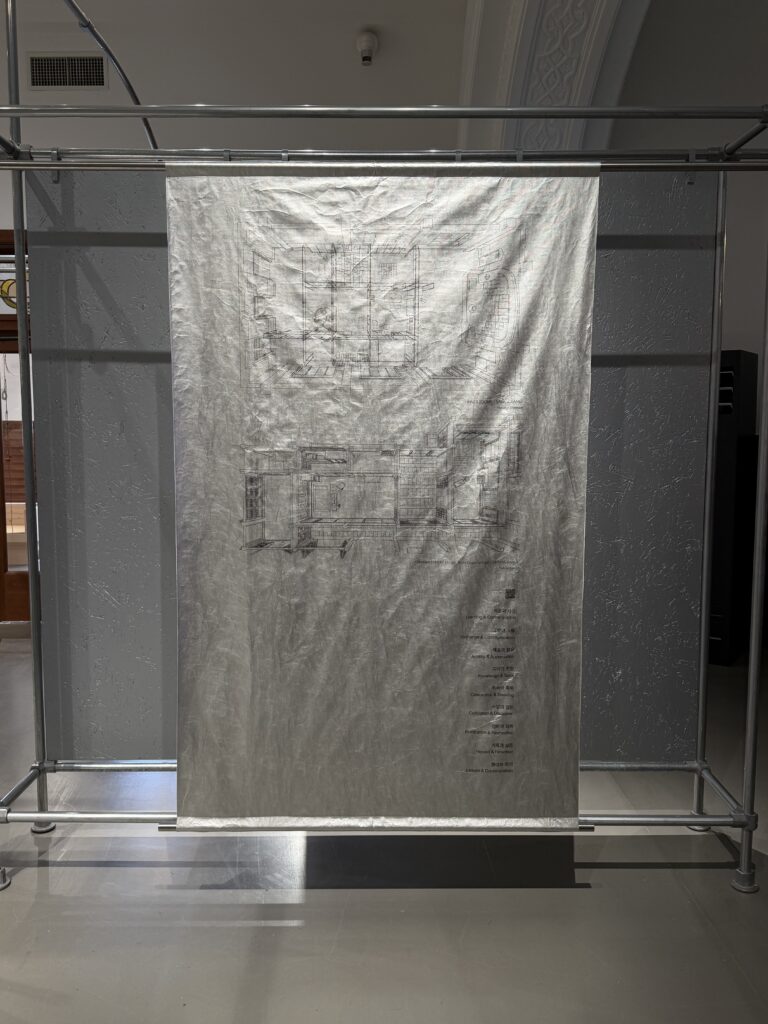
As you enter the exhibition, you’re greeted by a simple floor plan. Instead of introducing the exhibition with a wall of text, it maps out each room from the very beginning. I liked that detail. Since the exhibition is called The Inner Room, presenting it as a floor plan felt surprisingly fitting. What I liked even more was looking at it again after finishing the exhibition. By then, it no longer felt like a floor plan—it actually looked like a collection of rooms I’d just walked through.
Shinsegae plans to continue hosting exhibitions here, so if your trip to Korea happens to line up with one, I’d definitely recommend stopping by. The exhibitions are worth seeing, but honestly, the building itself is just as much a reason to visit.
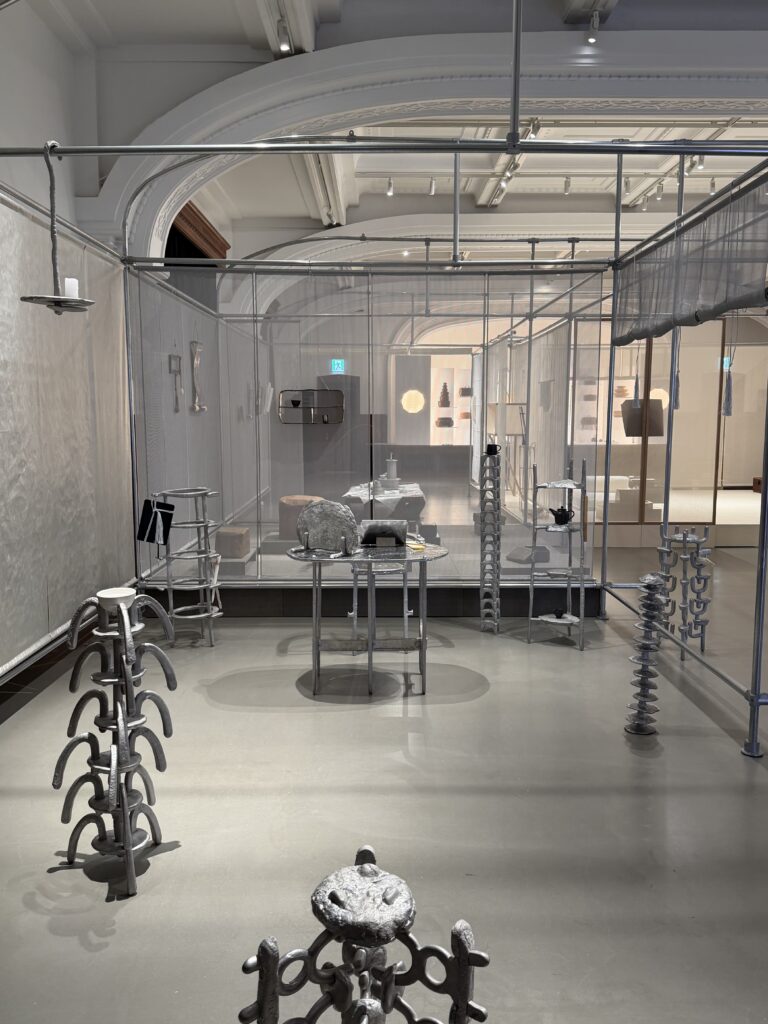
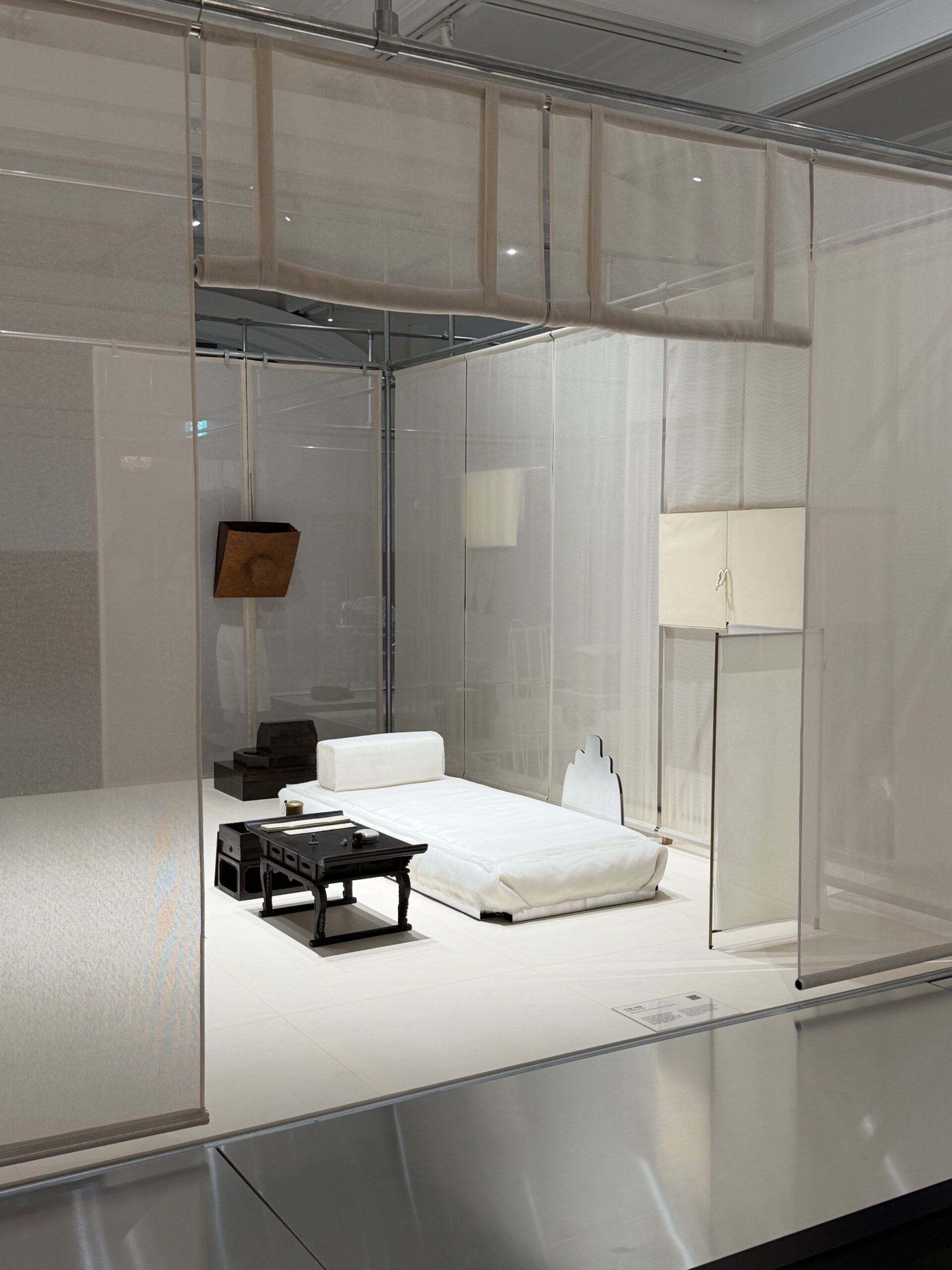
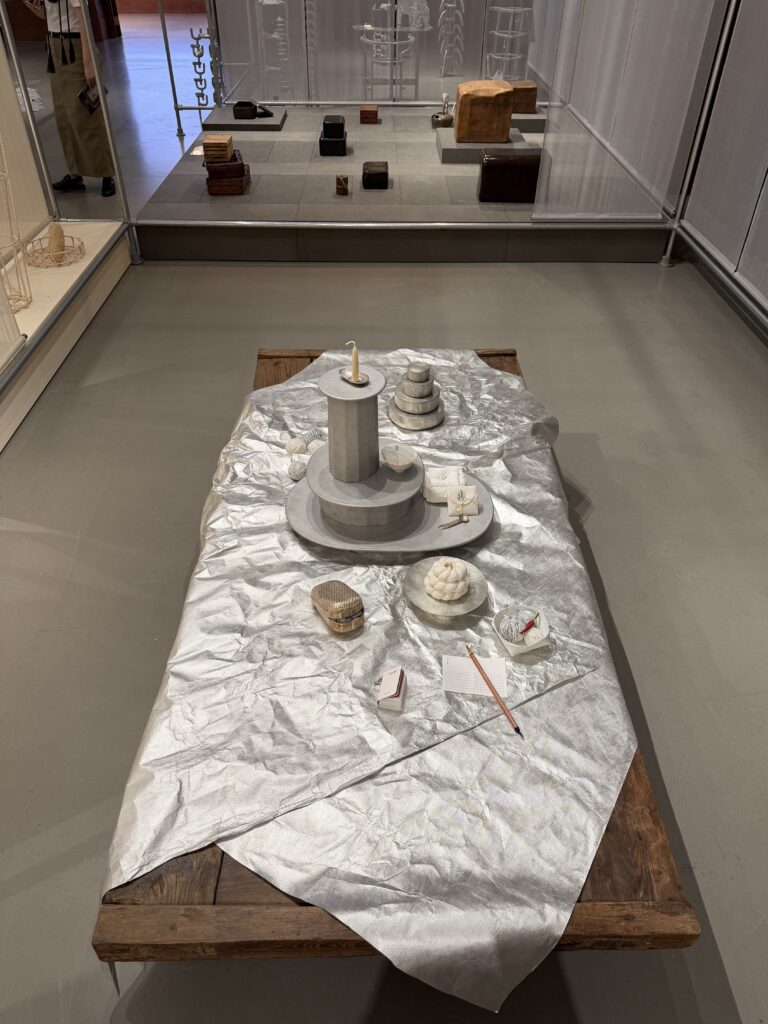
Different rooms. Different minds.
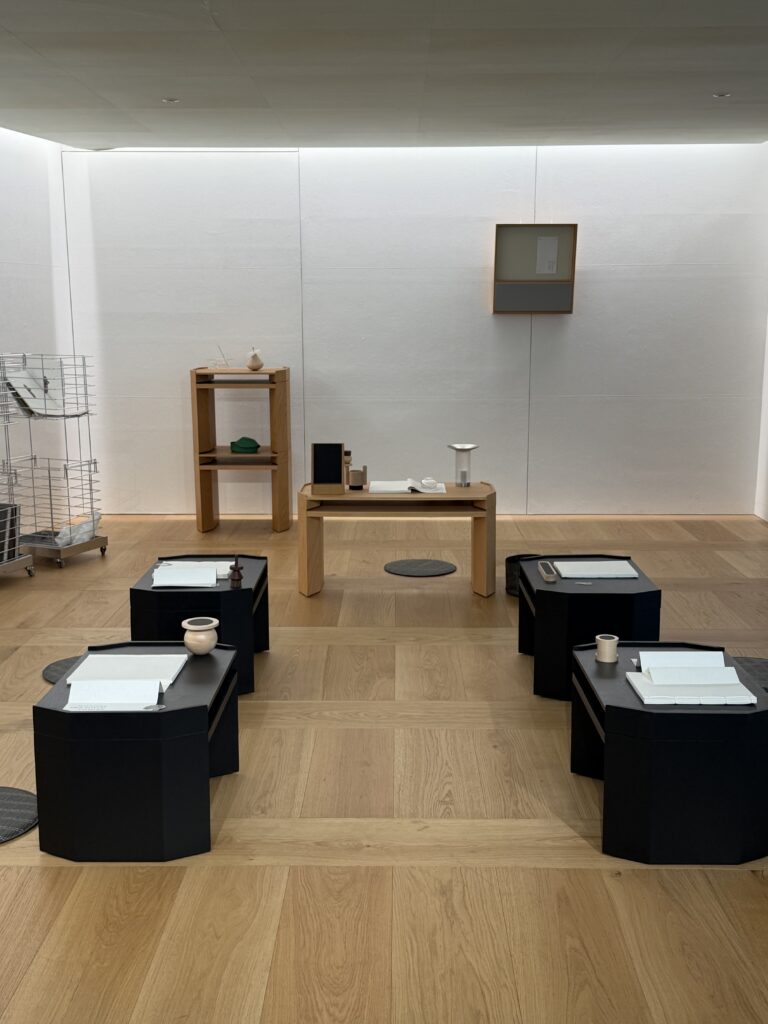
On the fourth floor, each room explores the same familiar forms through completely different materials. Leather, aluminum, hanji (traditional Korean paper), hemp, and more—every artist approached the idea of the sarangbang in their own way. Rather than recreating the traditional room exactly as it once was, the exhibition asks a different question: What does an “inner room” look like today?
I think that’s why I enjoyed this floor so much. I’ve always liked spaces. A space can be something as small as a drawer, or as large as a café or a store. What makes them interesting isn’t their size—it’s the person behind them. The same room can feel completely different depending on who creates it. Maybe that’s why I always get excited imagining how I’d shape a space if it were mine. Walking through these rooms felt a bit like stepping into different people’s inner worlds. Seeing the same idea expressed through different materials and personalities was probably my favorite part of the exhibition.
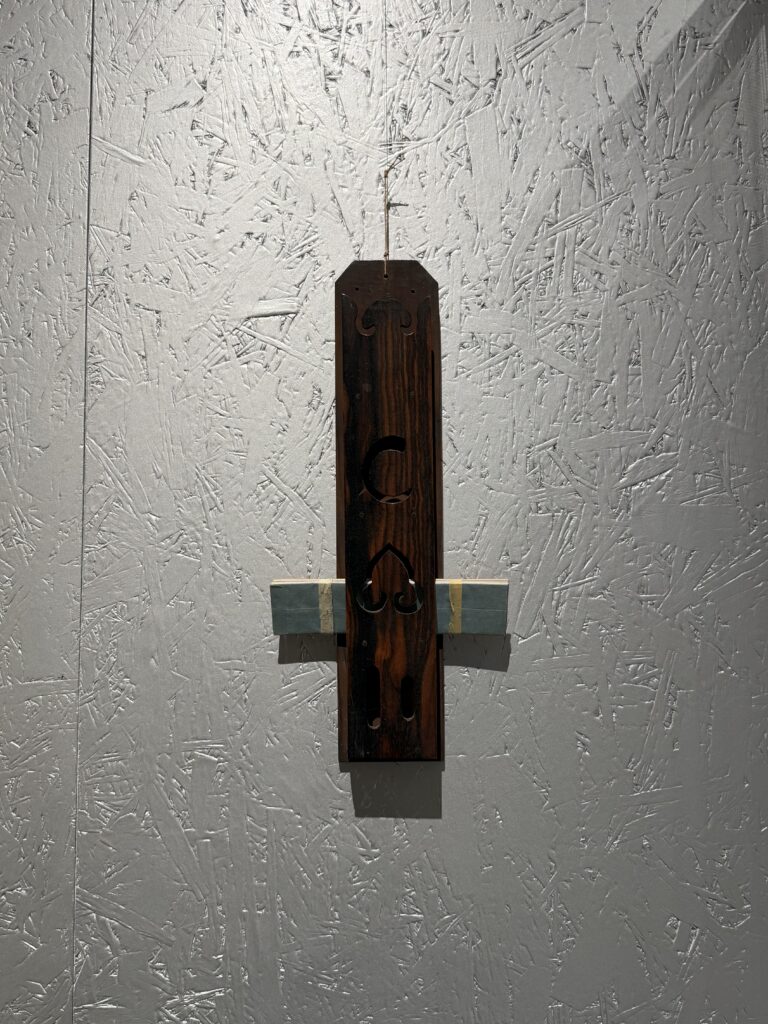
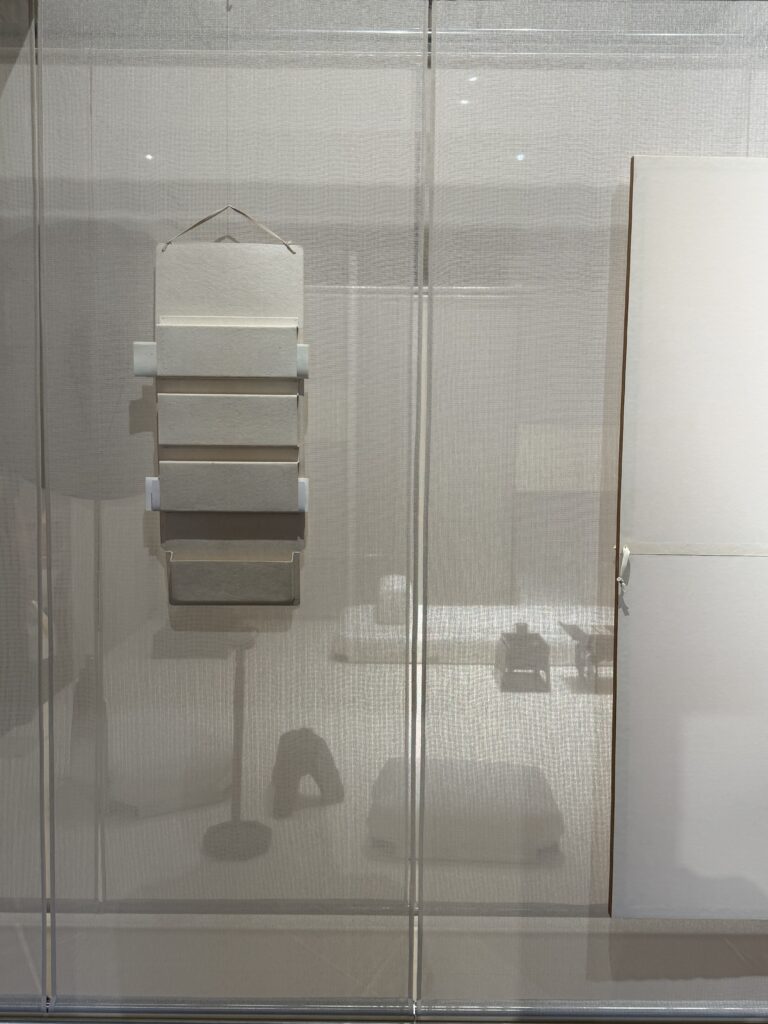
Korea’s answer to the Uten.Silo.
This is the gobi.
Traditionally, a gobi is a small wall-mounted storage cabinet divided into several compartments for everyday items. People used it to keep things like letters, books, folding fans, glasses, and other personal belongings close at hand.
In the past, gobi were usually made of wood. This exhibition reimagines them using a wide range of materials, giving the familiar form a completely different feel. Seeing them made me wonder what I’d keep in one today. Maybe cameras. Maybe notebooks. Or maybe it could become something like Vitra’s Uten.Silo, holding all the little things you reach for every day.
Personally, I’d love a wooden gobi just for my glasses. (If anyone knows where to buy one… let me know. Or maybe we should do a group order.)
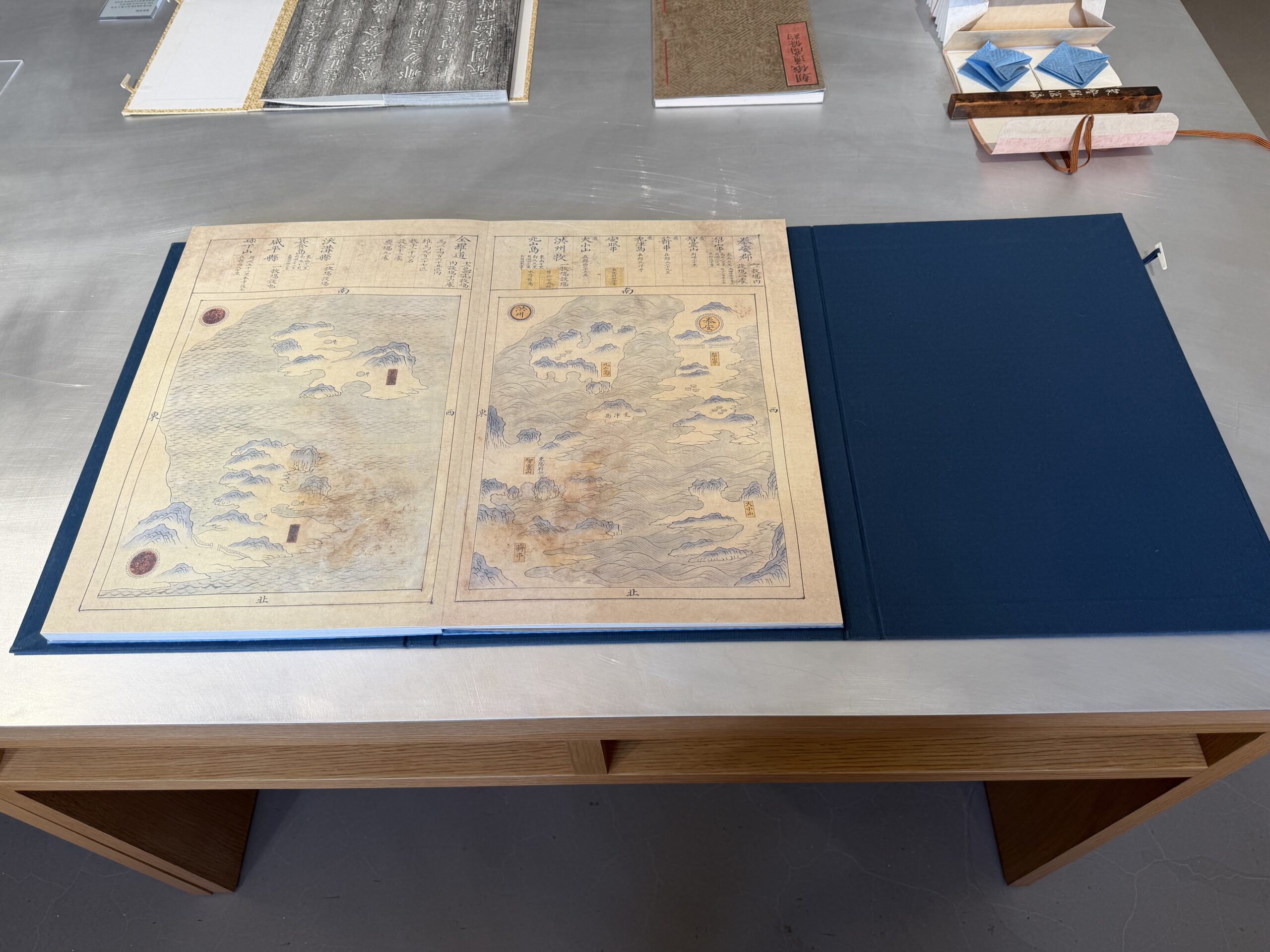
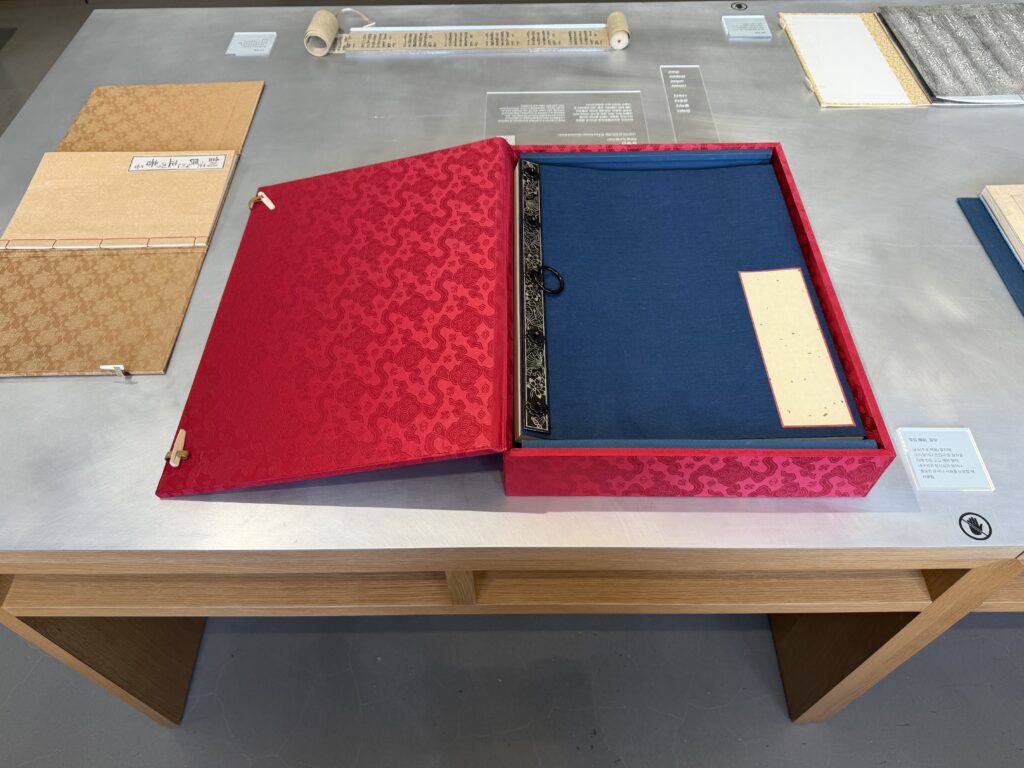
Was this a map? (I honestly forgot.)
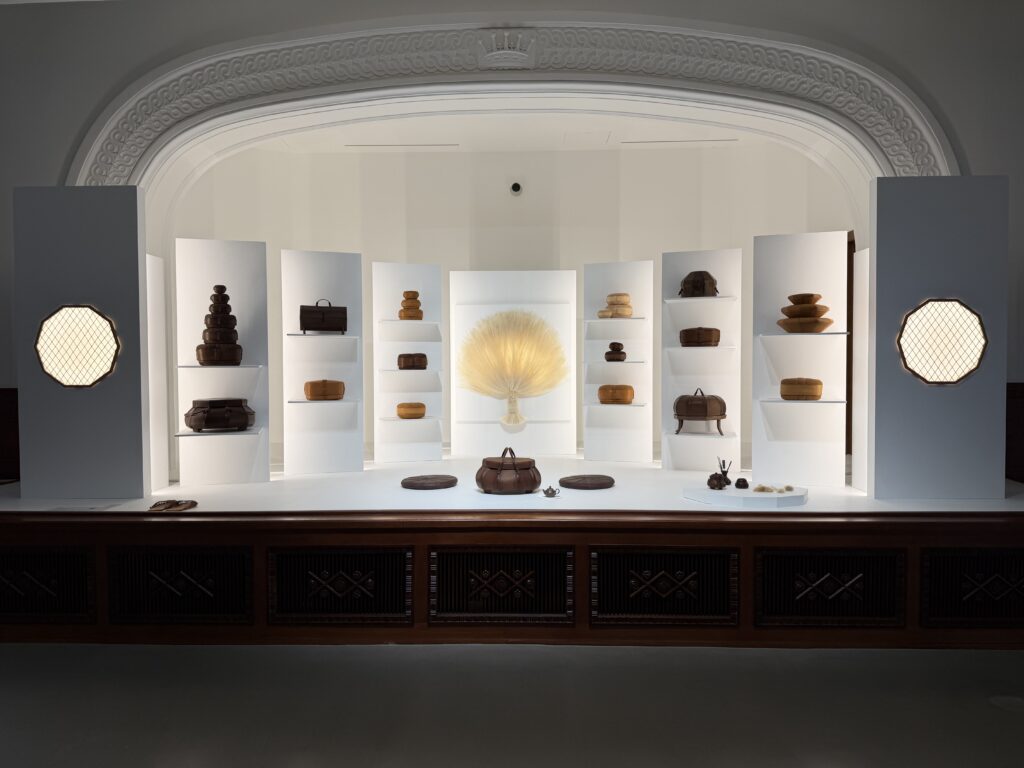
The highlight, if you ask me.
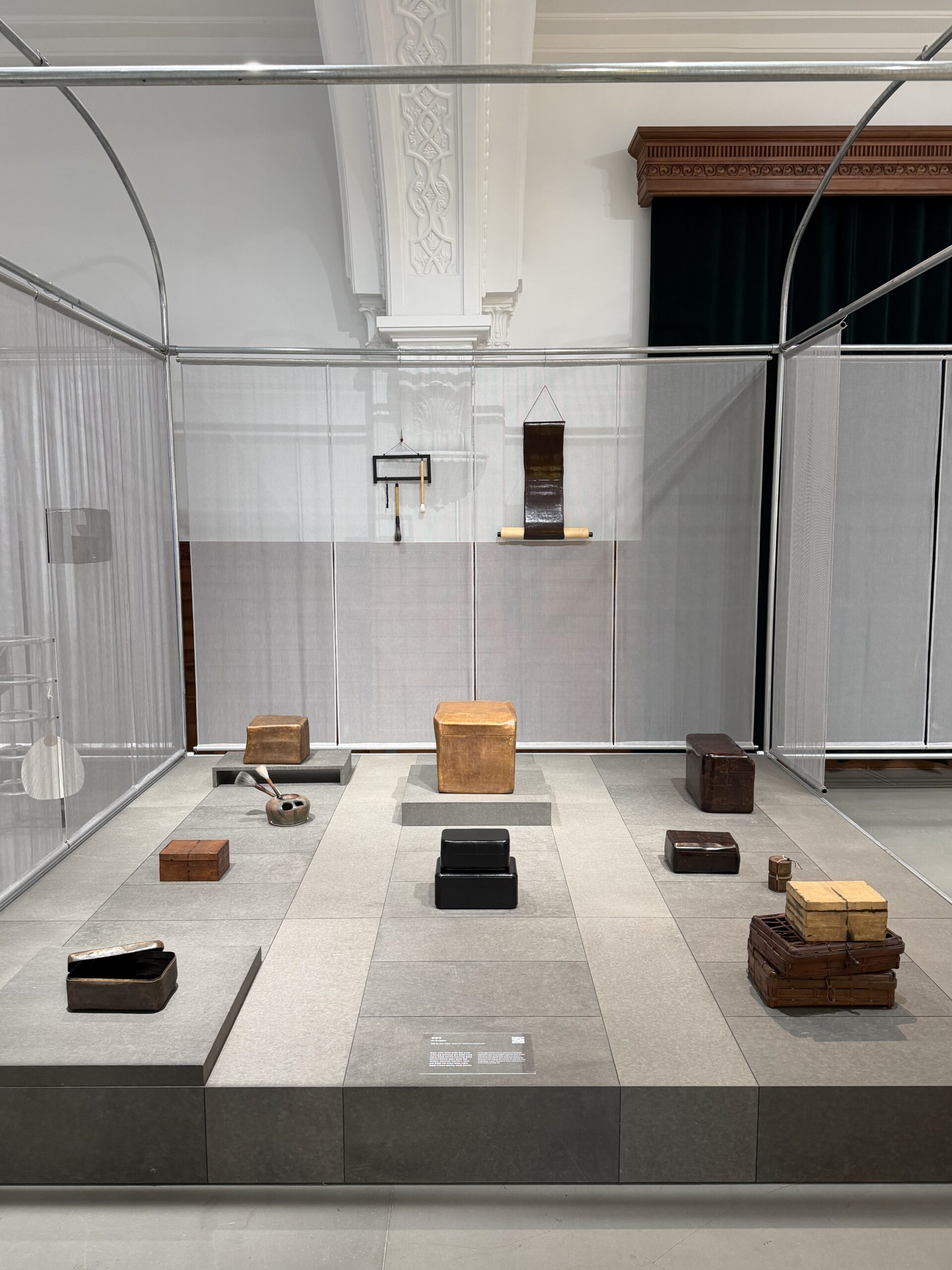
This part of the exhibition brings together a collection of objects traditionally found in a sarangbang. Centered around a large folding fan, the surrounding pieces have all been reinterpreted in leather. Looking closely, the craftsmanship was incredible. The textures, the details, and the finish made it easy to forget that these weren’t traditional materials at all. Seeing familiar forms recreated in leather gave them a completely different presence.
My favorite piece was the fan. Up close, it felt light and delicate. But standing in front of it, it completely changed the atmosphere of the room. It had a quiet kind of grandeur that was hard to ignore. It felt traditional, but not old-fashioned. More like seeing something familiar through a contemporary lens.
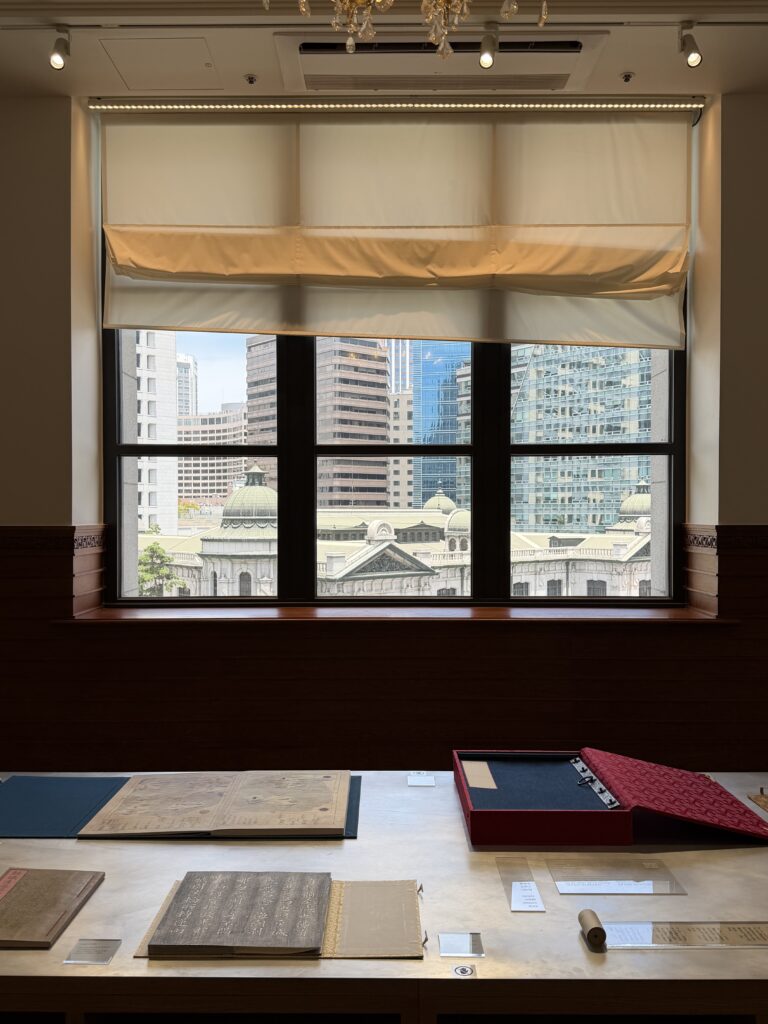
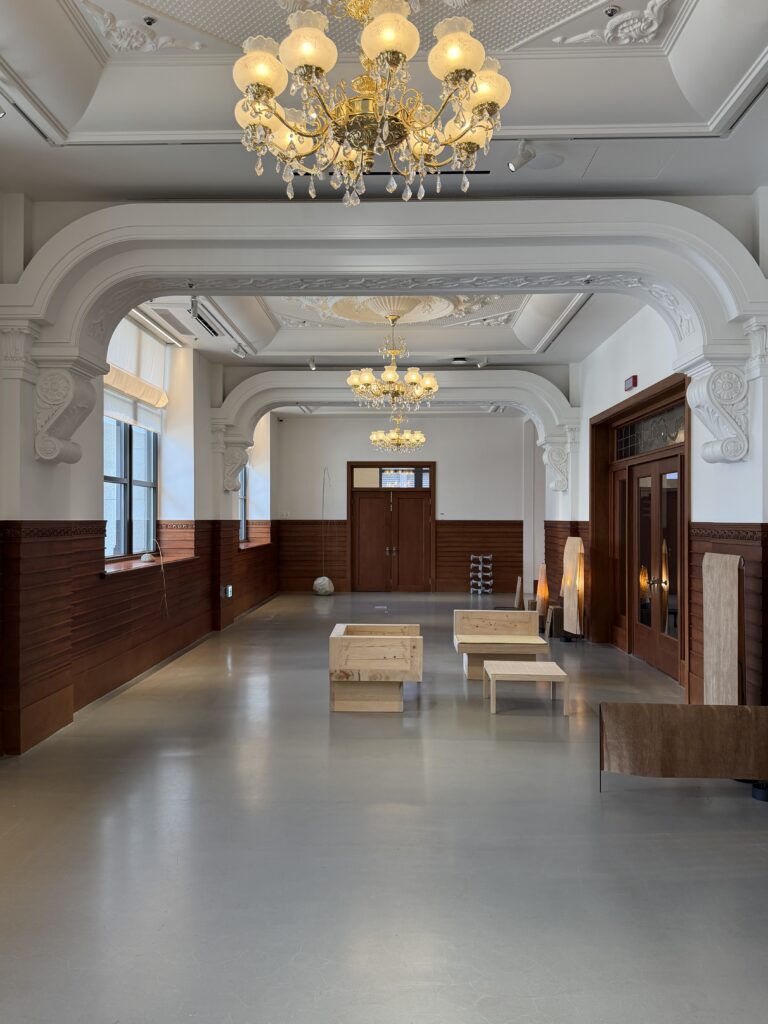
The building deserves its own spotlight.
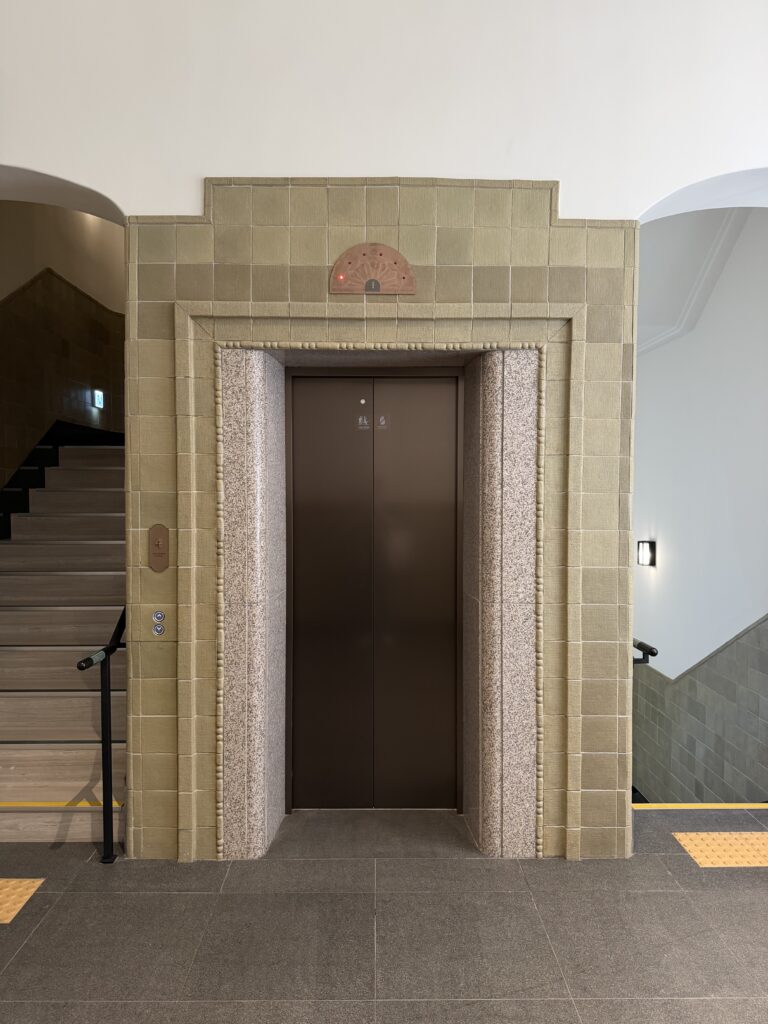
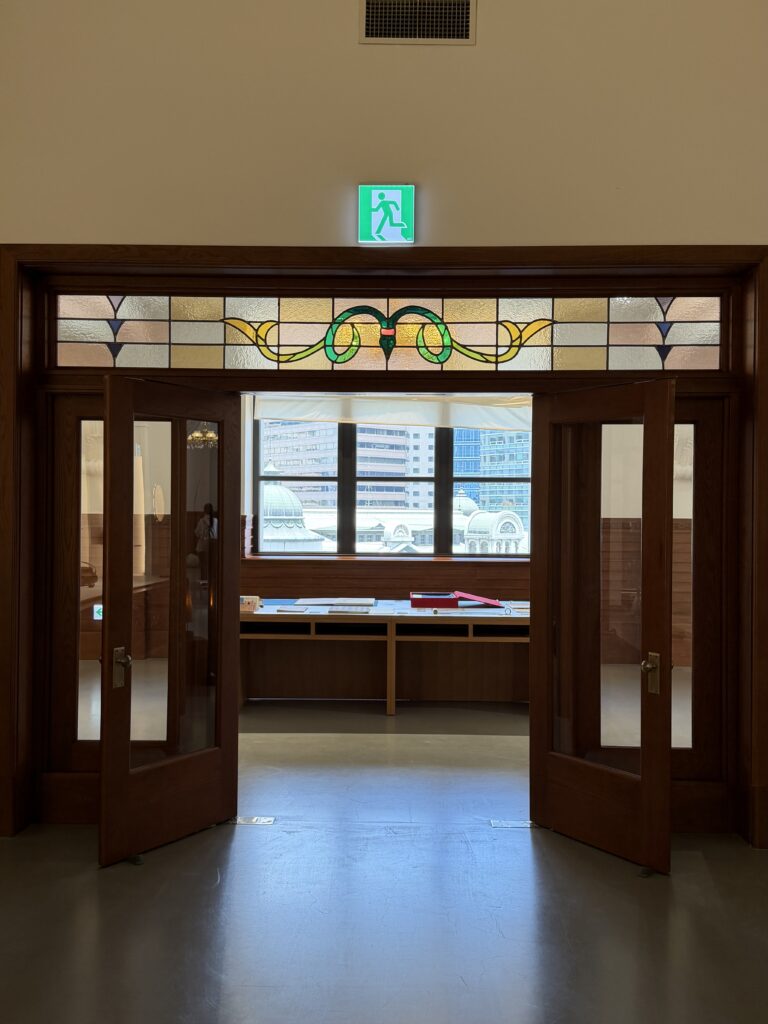
As much as I enjoyed the exhibition, I was just as impressed by The Heritage itself. I had been curious to see how a historic building like this had been restored, and I think they did an incredible job preserving its character. Warm wood interiors, high ceilings, and large windows gave the space a quiet sense of grandeur. Looking outside, the surrounding buildings from the same period made it feel as if the entire neighborhood belonged to the same story. Even the staircases and elevators felt carefully designed to match the building’s atmosphere.
Nothing felt out of place.
I came here for the exhibition… But I think I ended up falling for the building just as much. (At some point, I wasn’t even sure which one I was looking at.)
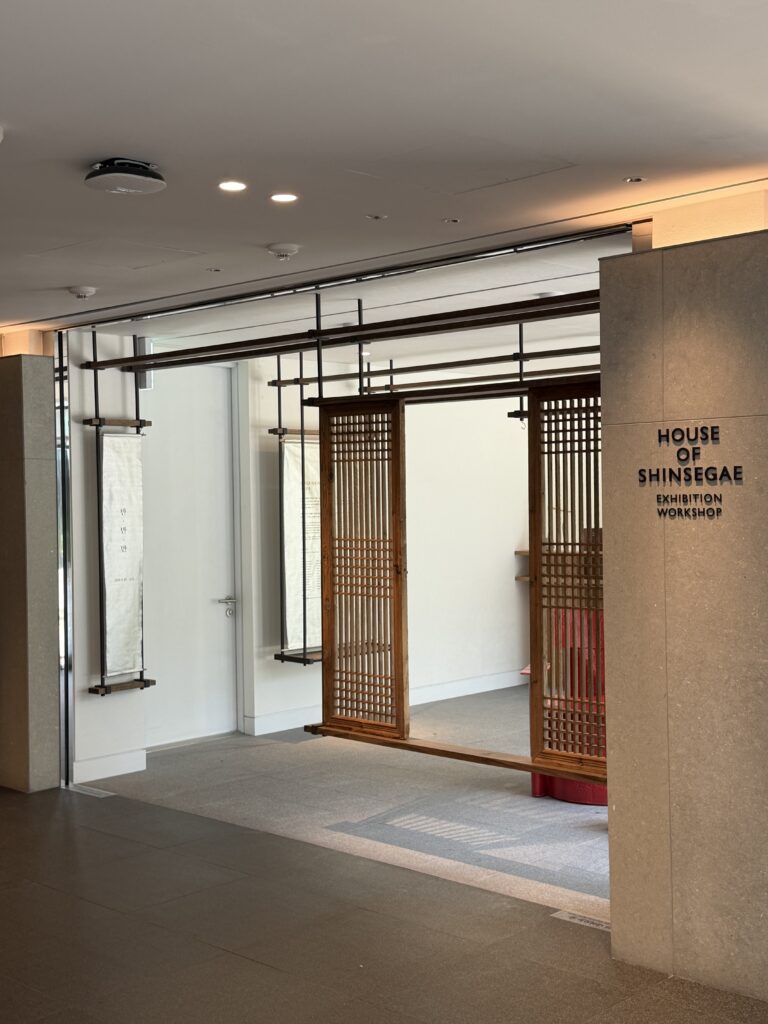
Up on the fifth floor.
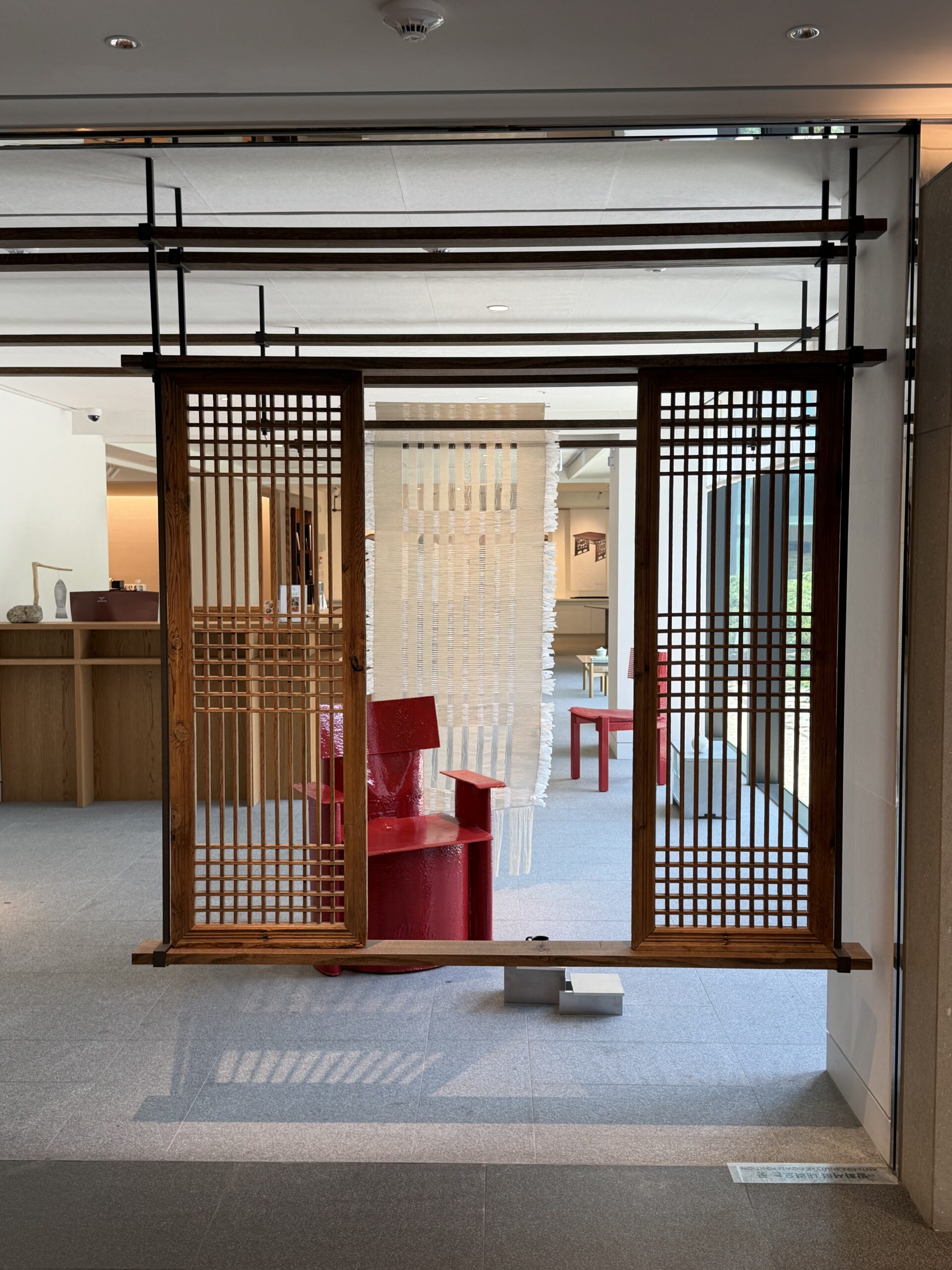
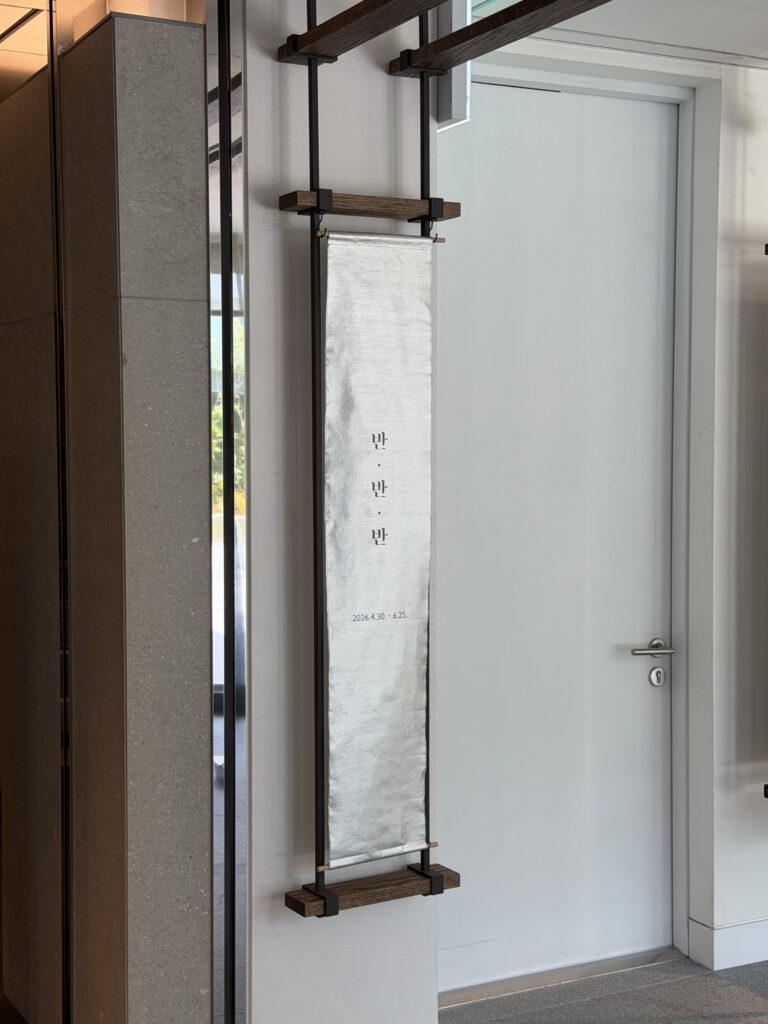
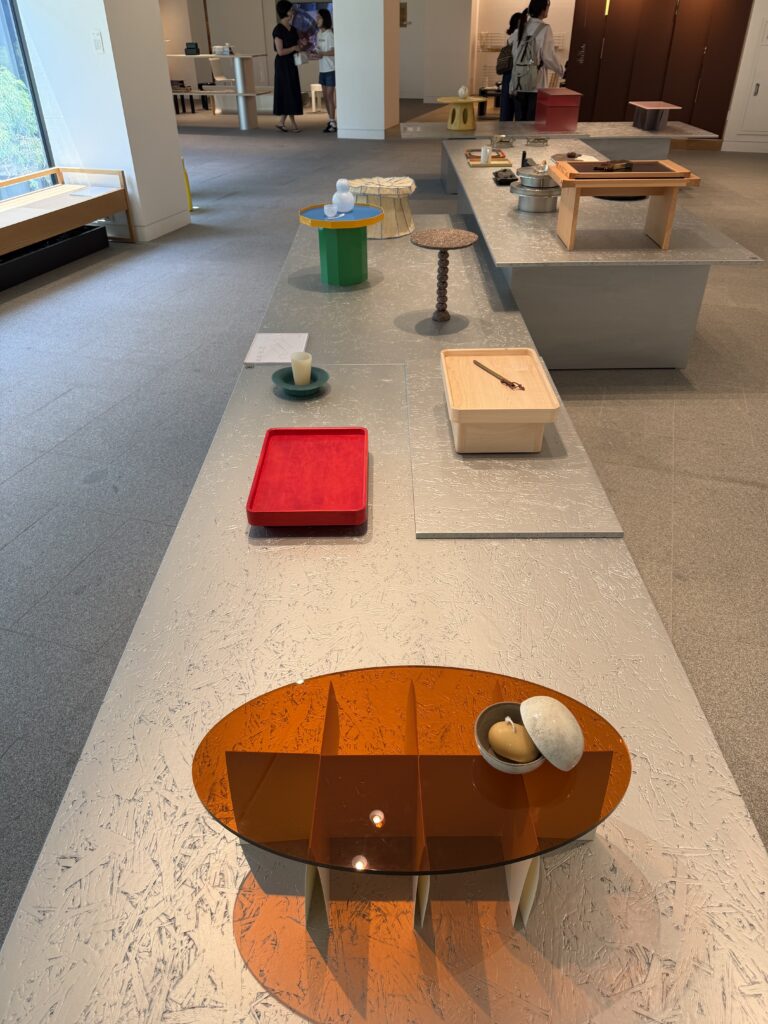
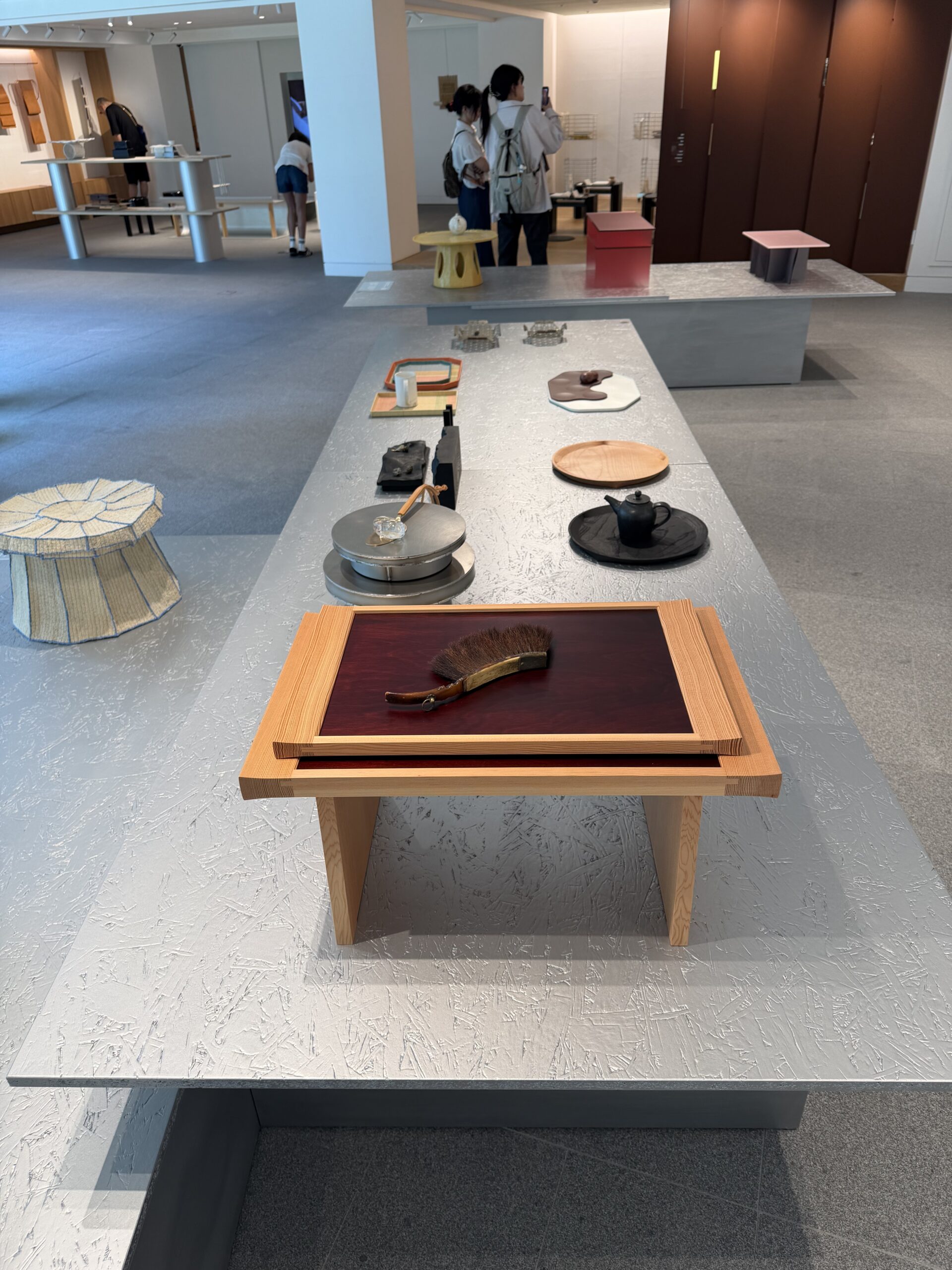
The fifth floor features an exhibition called Half, Half, Half, centered around the soban. Throughout the space, traditional and contemporary interpretations of the soban sit side by side, creating an interesting conversation between past and present.
The word soban literally combines “so” (small) and “ban” (tray or table). In the simplest terms, it’s a small personal dining table. Unlike the large dining tables many people are familiar with today, traditional Korean households often ate from individual soban, with each person having their own. So the soban wasn’t just a piece of furniture. It reflected a way of living. It represented everyday meals, personal space, and the quiet etiquette of serving guests with care.
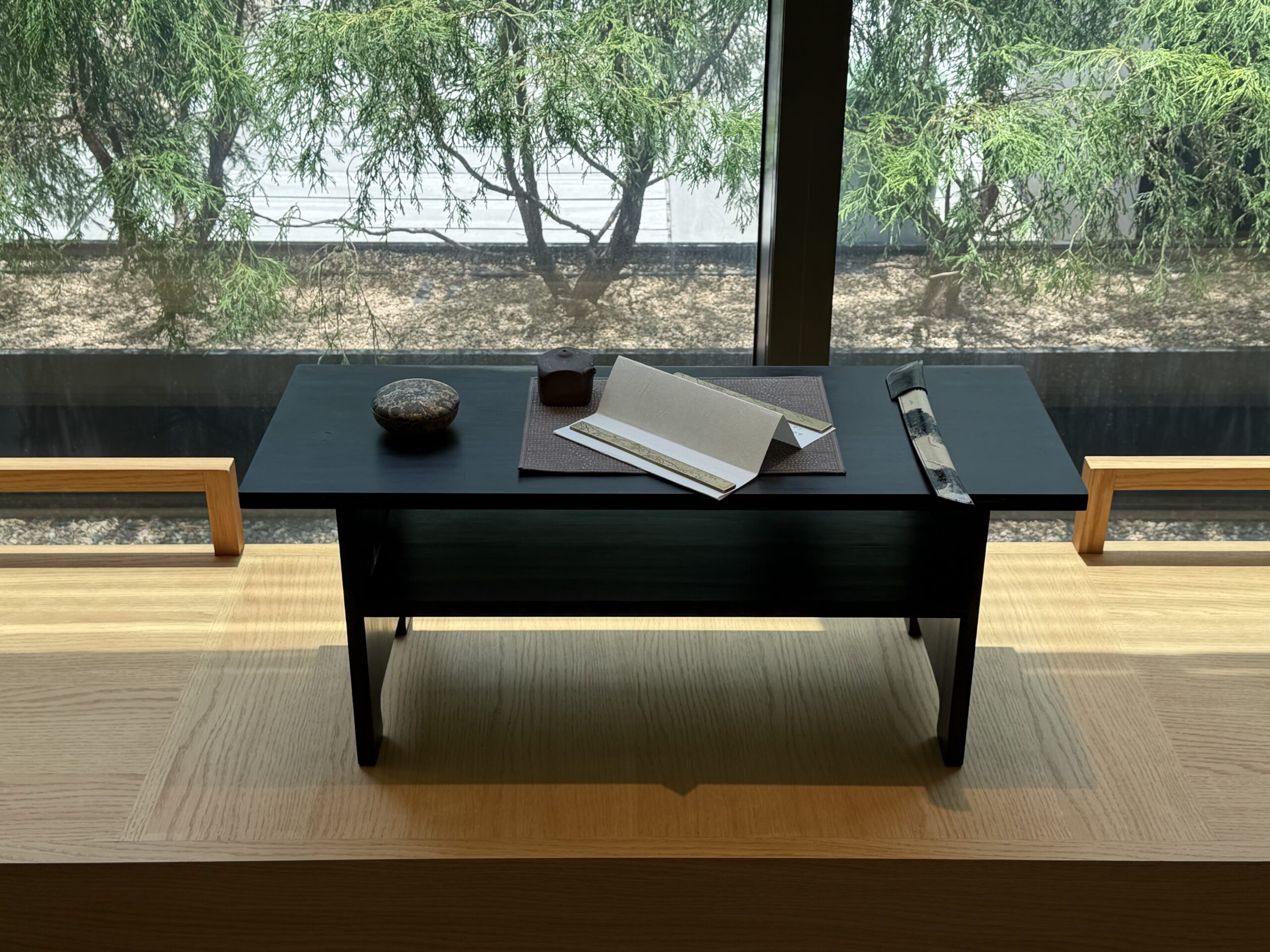
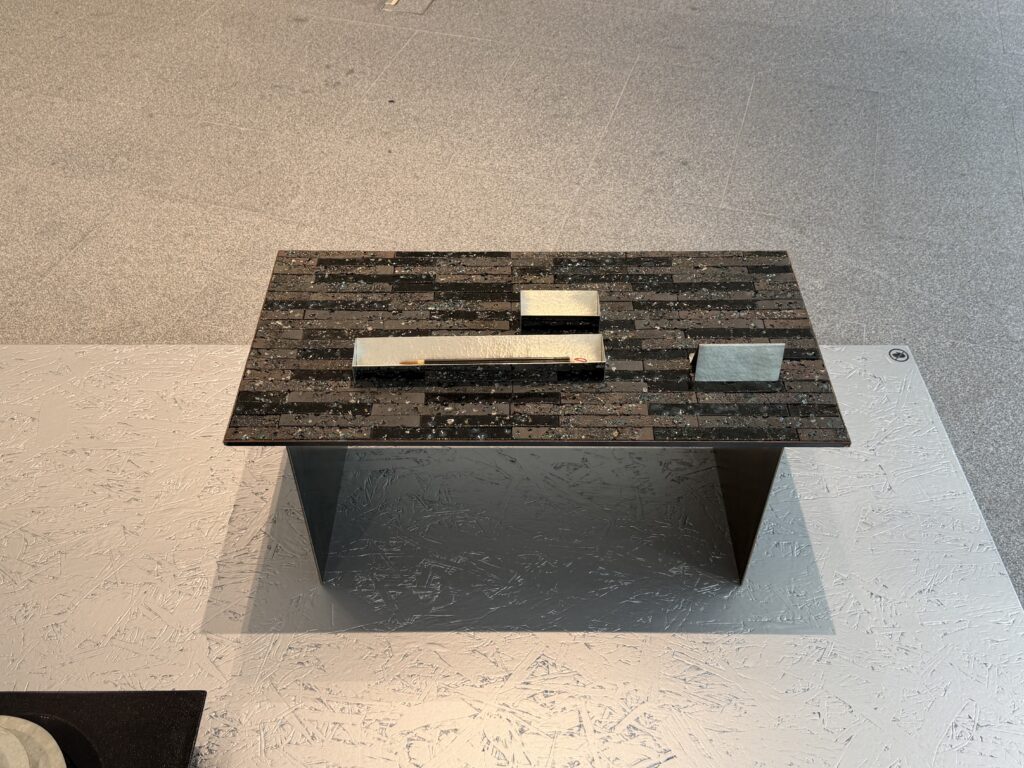
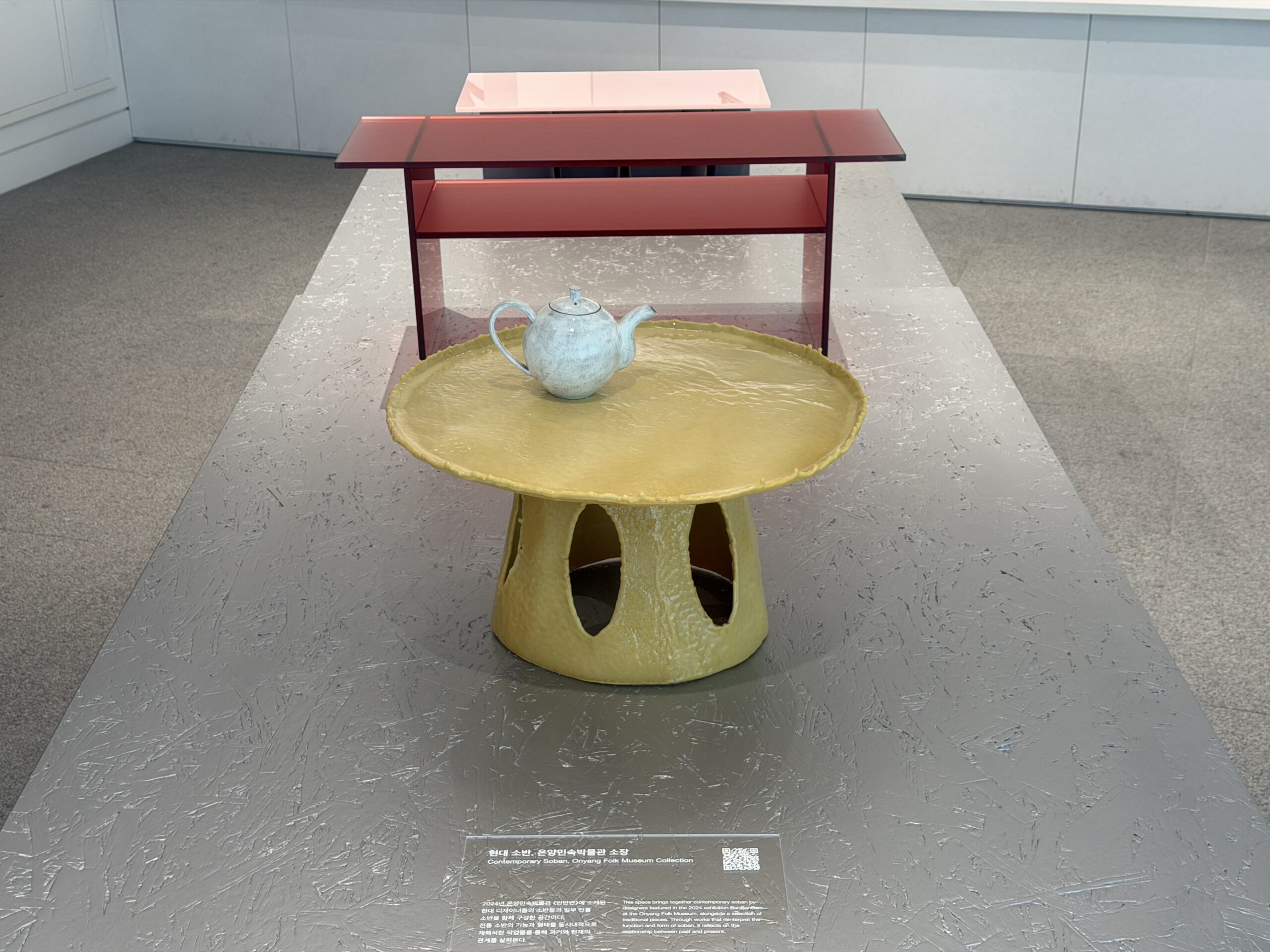
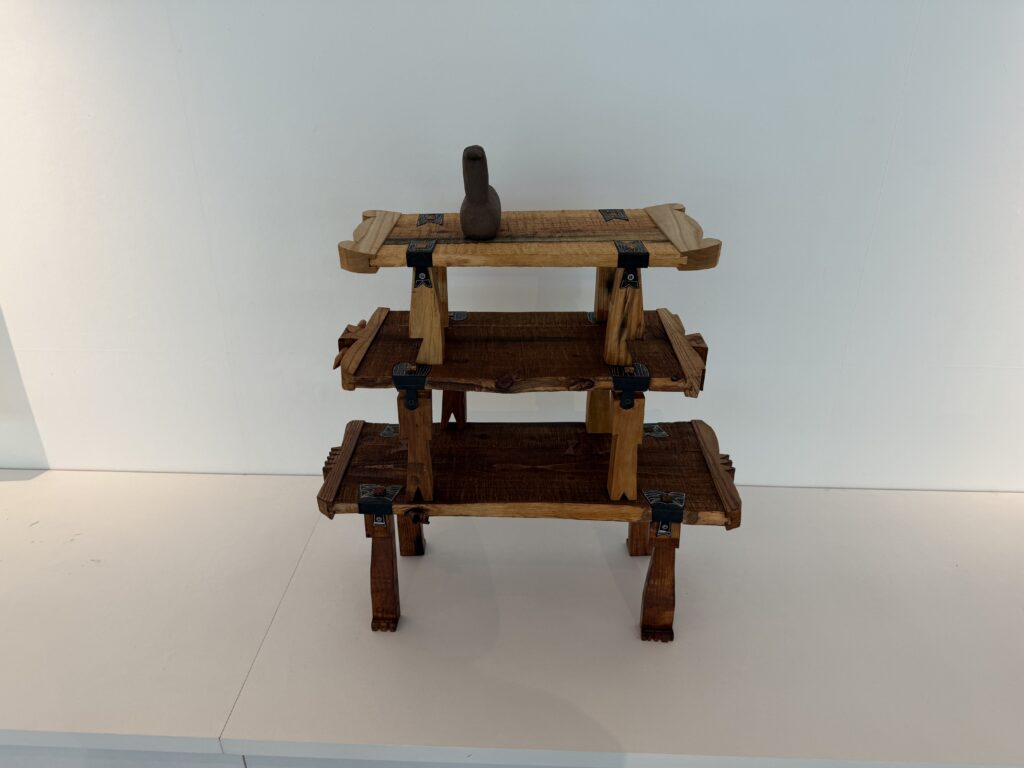
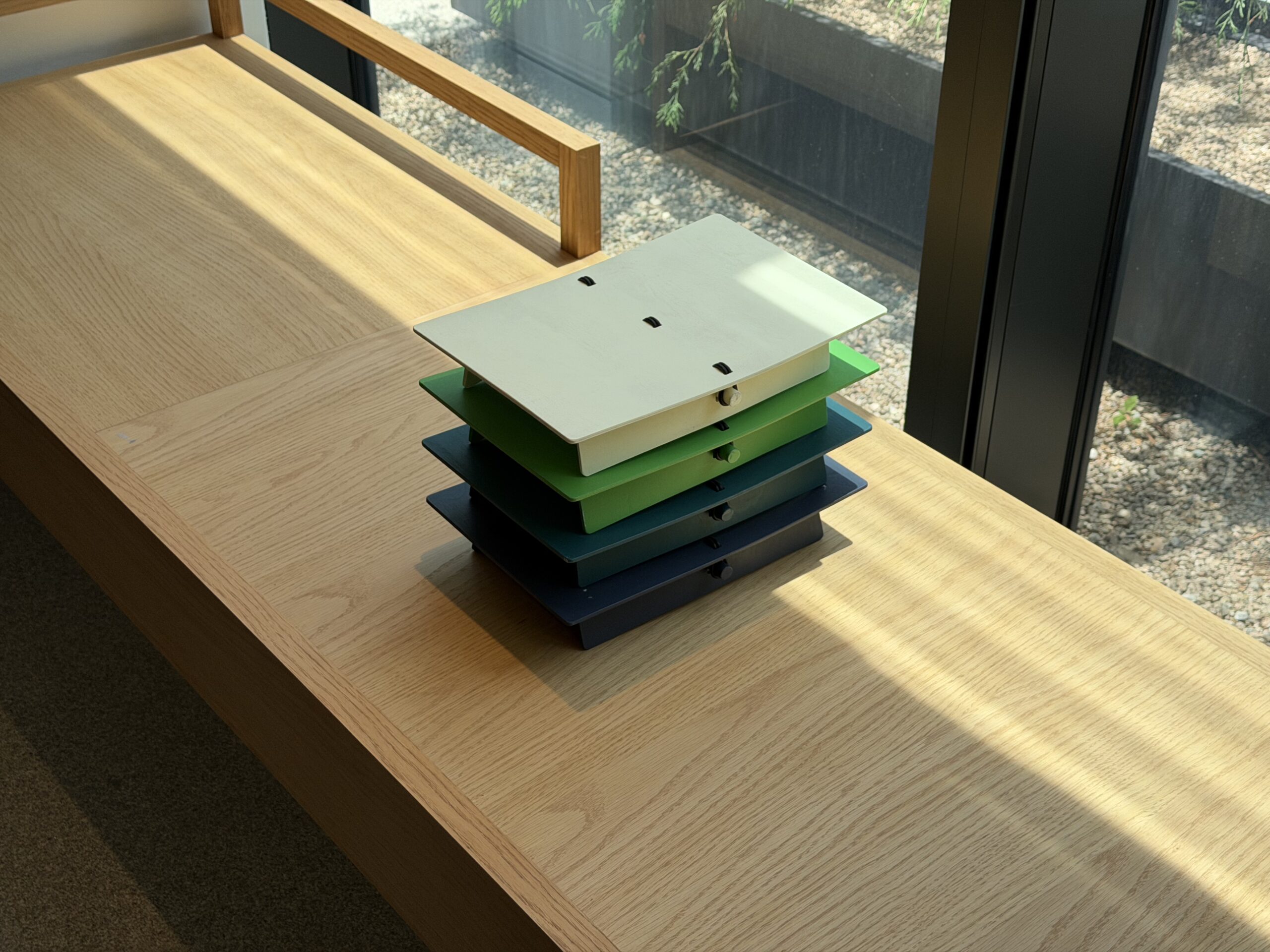
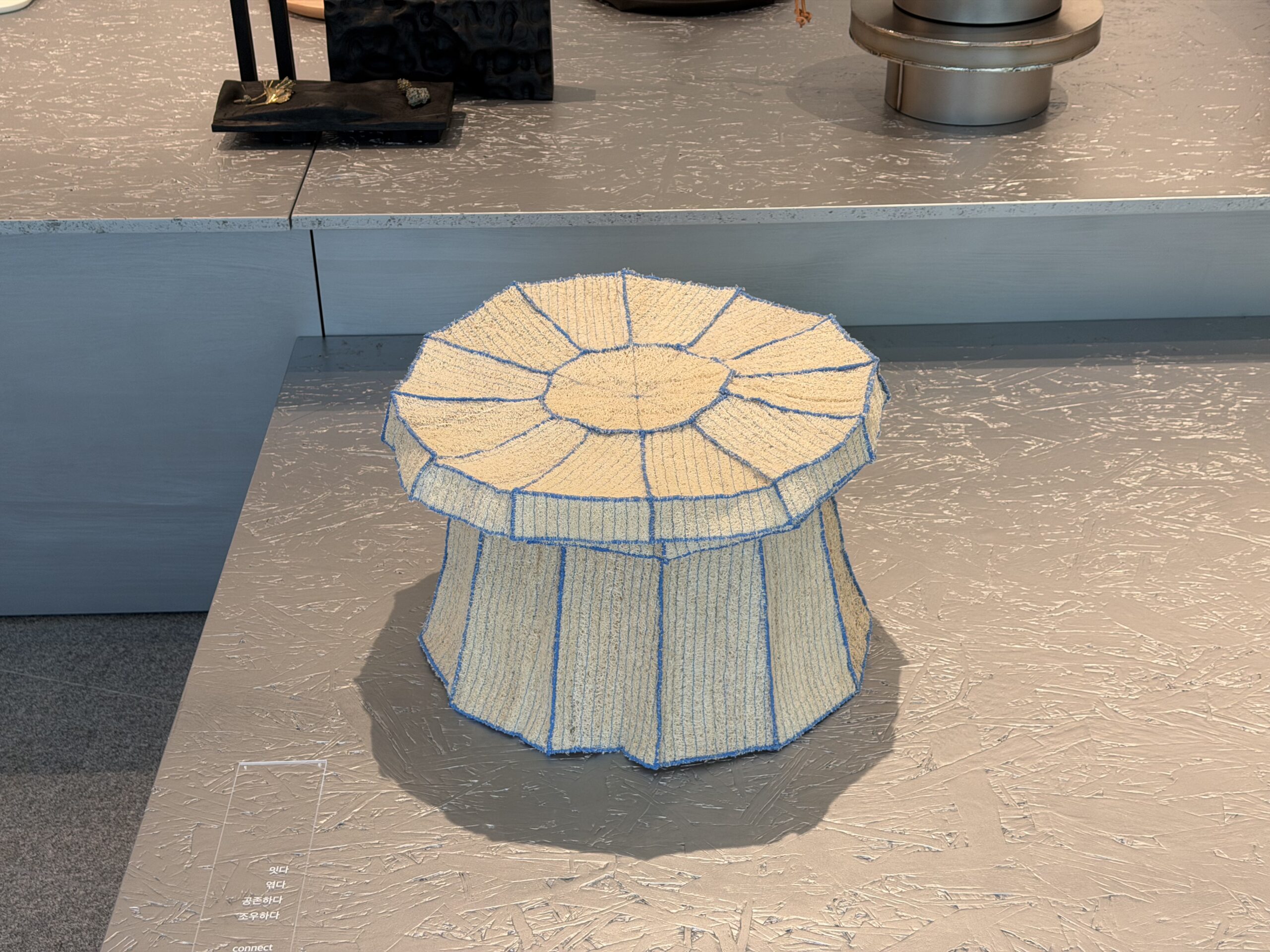
A collection of soban.
Throughout the exhibition, different interpretations of the soban appear side by side, moving between its traditional form and its place in contemporary life.
Traditionally, Koreans spent much more time sitting on the floor than in chairs. Meals, conversations, and everyday life often happened close to the ground, which is why the soban was designed to be low and personal.
Today, Korea has largely adopted dining tables, sofas, and chairs, so it’s rare to see a soban used for everyday meals. But that doesn’t mean it disappeared. Instead, it found new roles. Throughout the exhibition, the soban reappears as tea tables, side tables, plant stands, and other everyday furniture. The form stays familiar, while the purpose quietly changes.
Personally, I think the soban is one of the best examples of Korean furniture design. It’s a small object, but it says a lot. The proportions, the wood grain, and the craftsmanship all reflect the quiet beauty of traditional Korean woodworking. And maybe my favorite thing about it… It’s yours. Not a table shared by everyone, but one made for a single person. There’s something strangely comforting about having a piece of furniture that’s just your own. (You’d probably know every scratch from the top all the way down to the legs.)
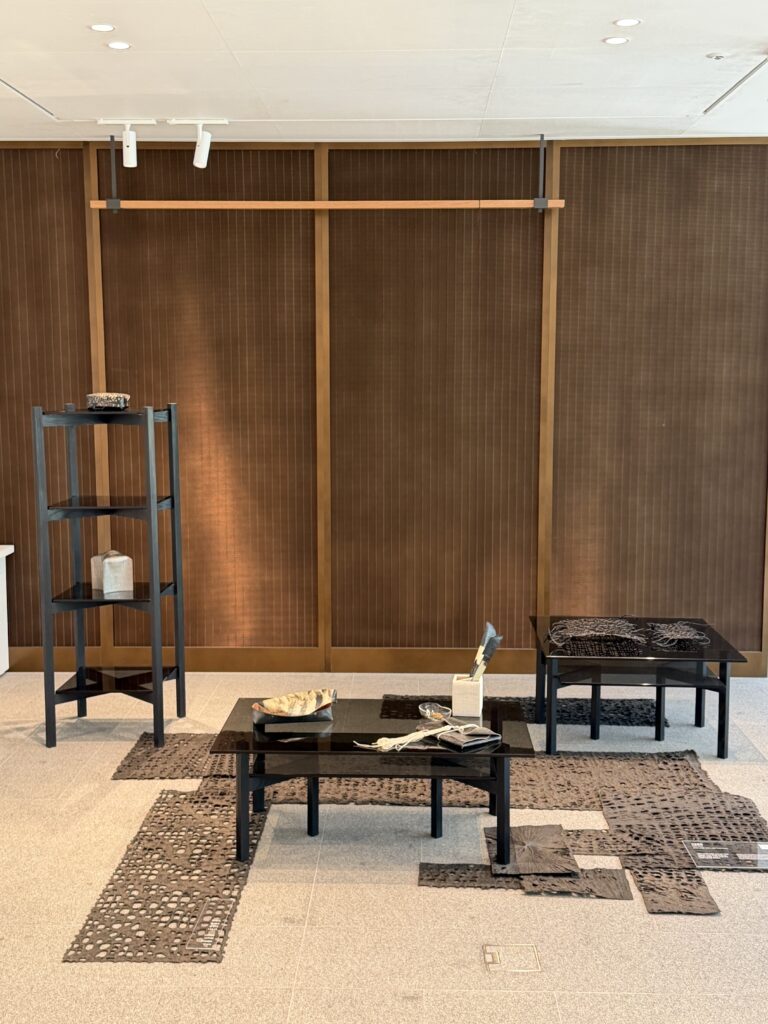
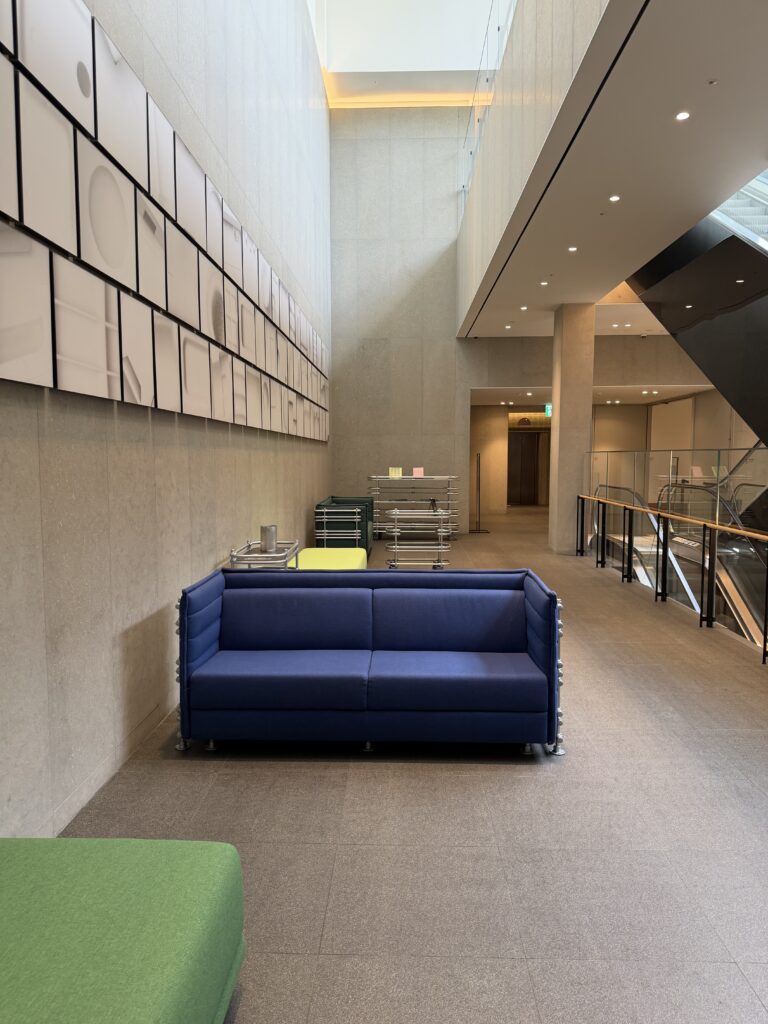
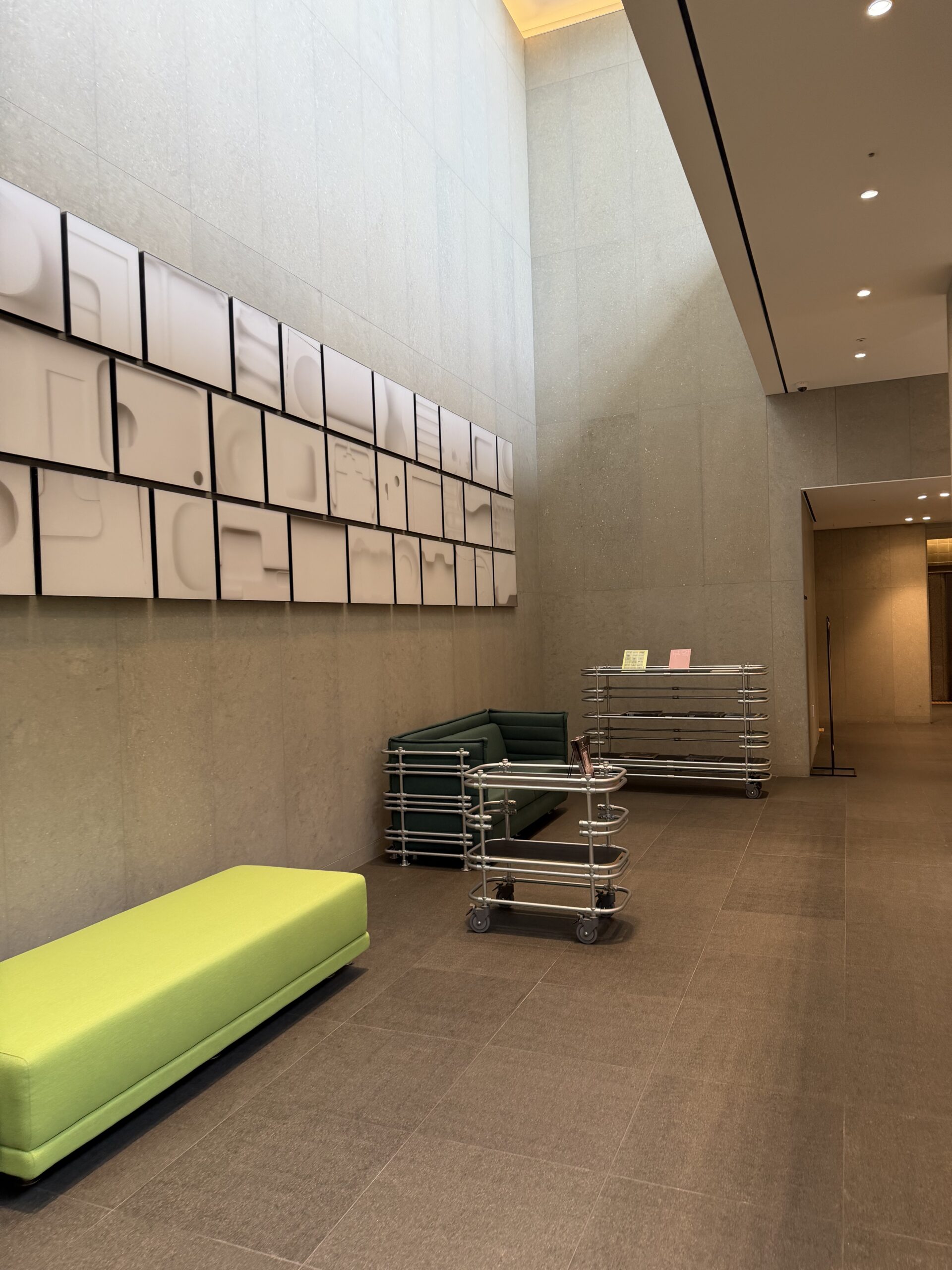
Take a little break. (30,000 steps later.)
Beyond the exhibition, there are also a few spaces where you can sit down and take a break.
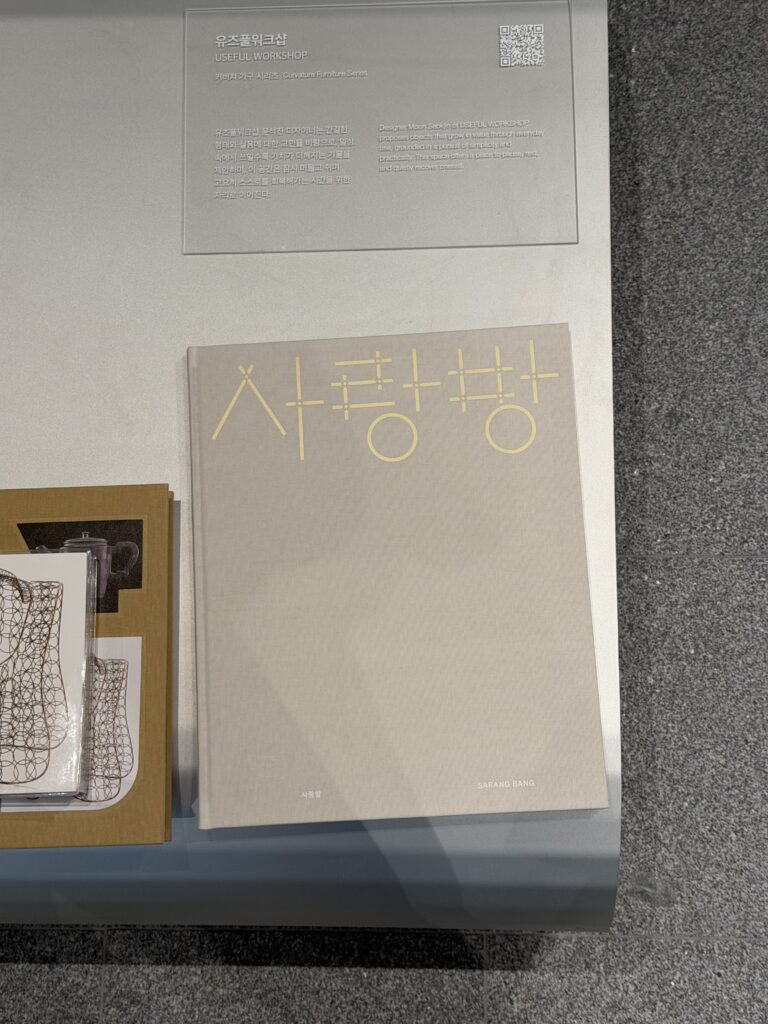
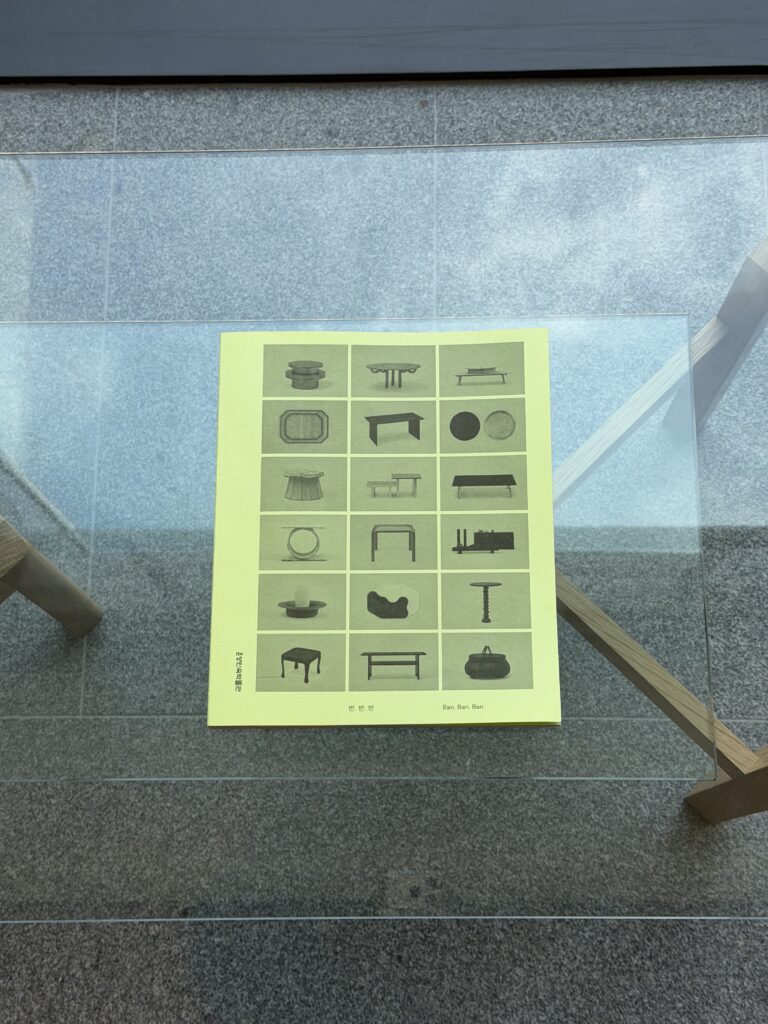
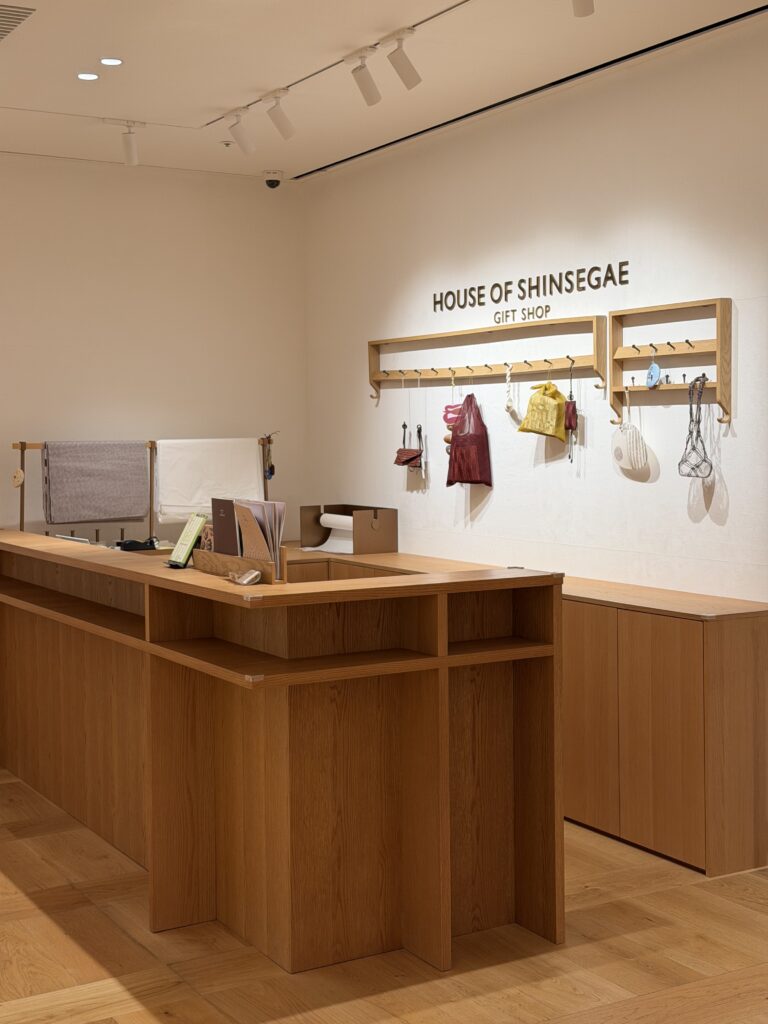
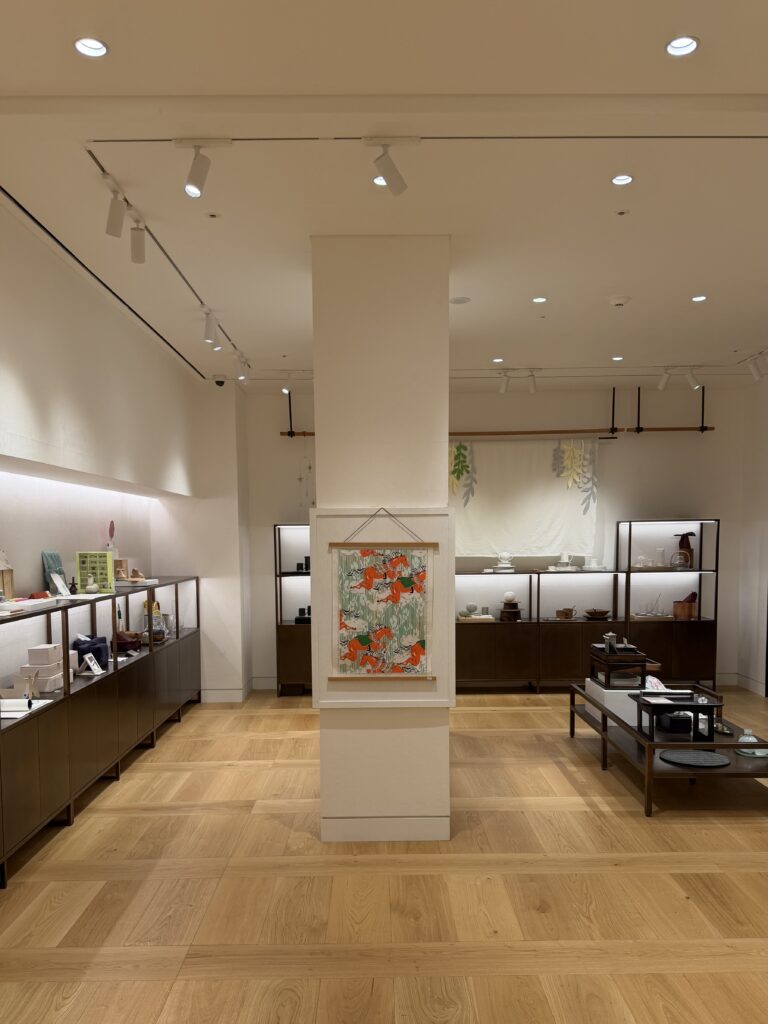
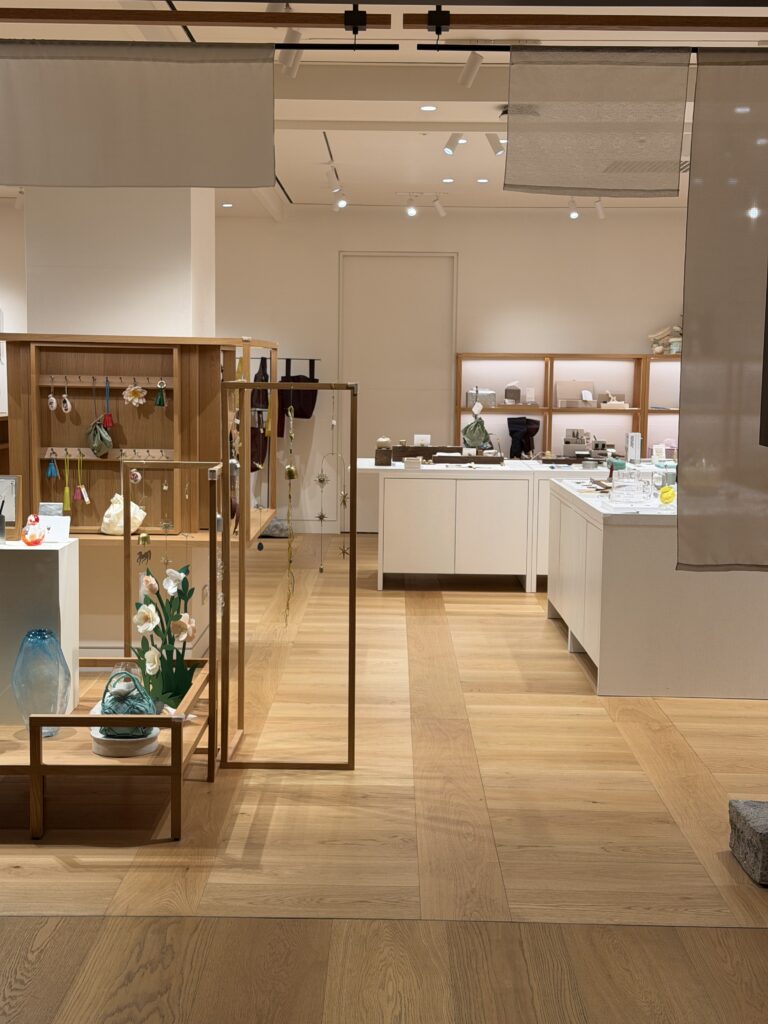
The universal gift shop experience. (Hide your wallet.)
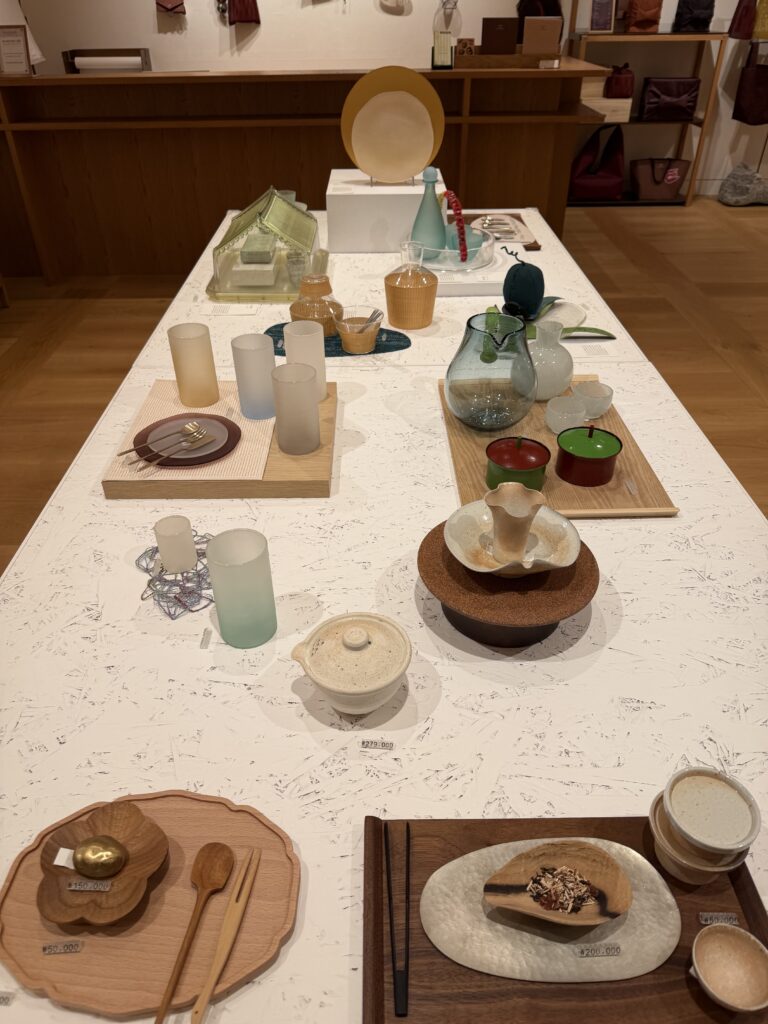
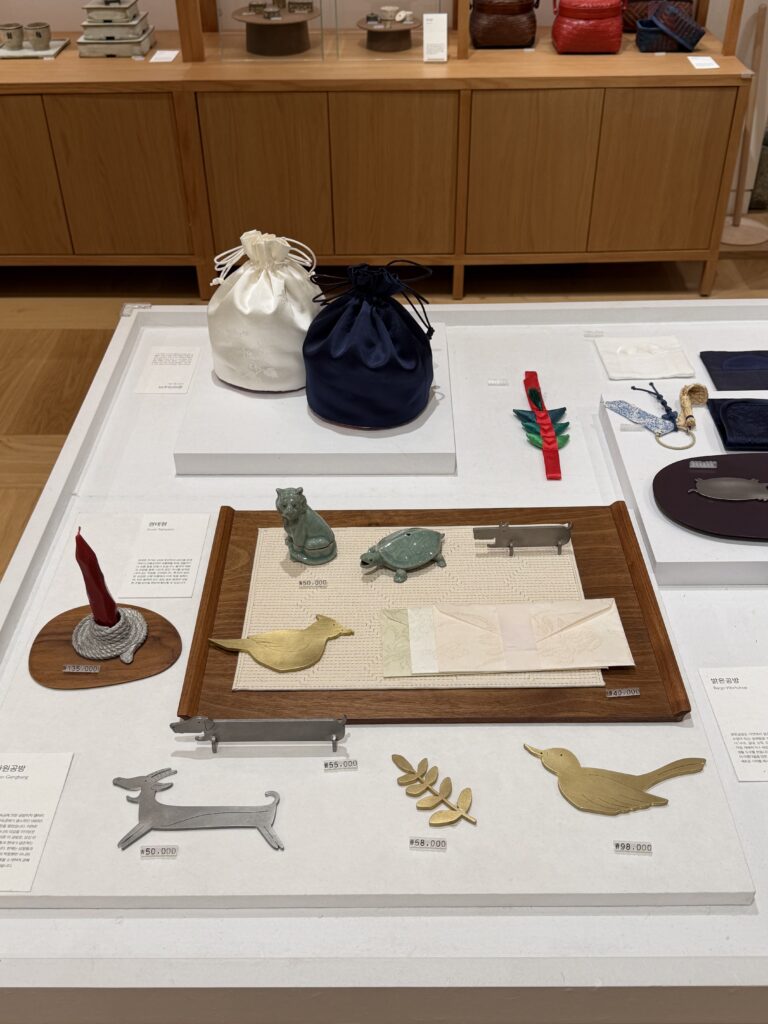
Down on the basement level, you’ll find a small gift shop filled with beautifully curated Korean design objects.
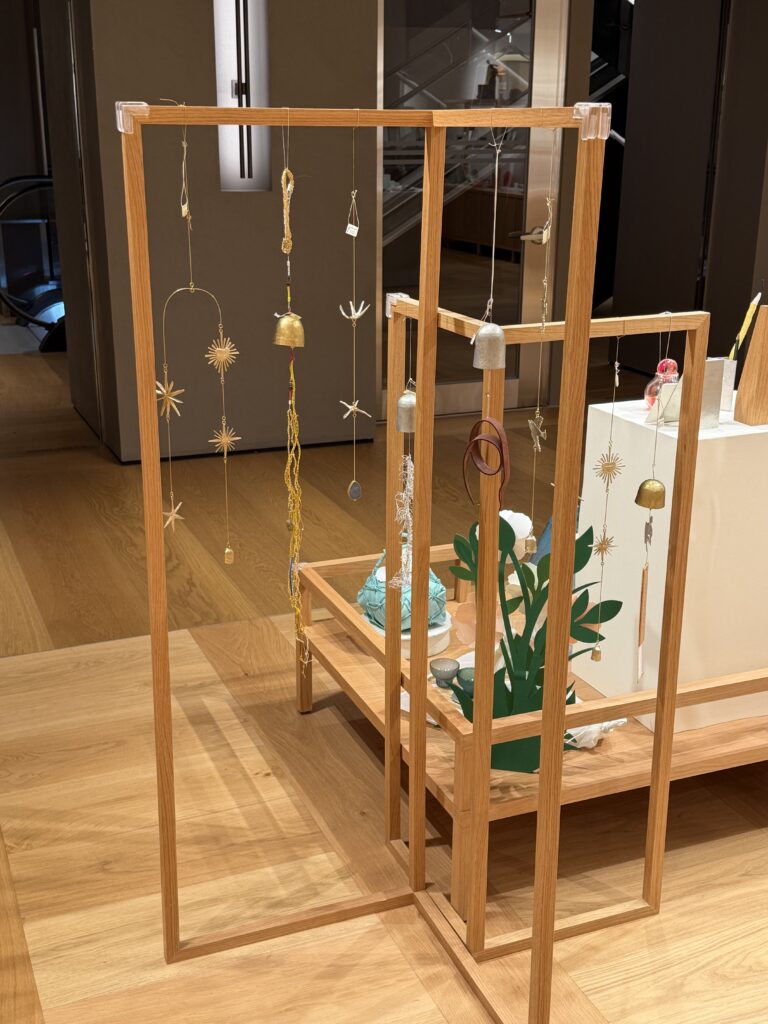
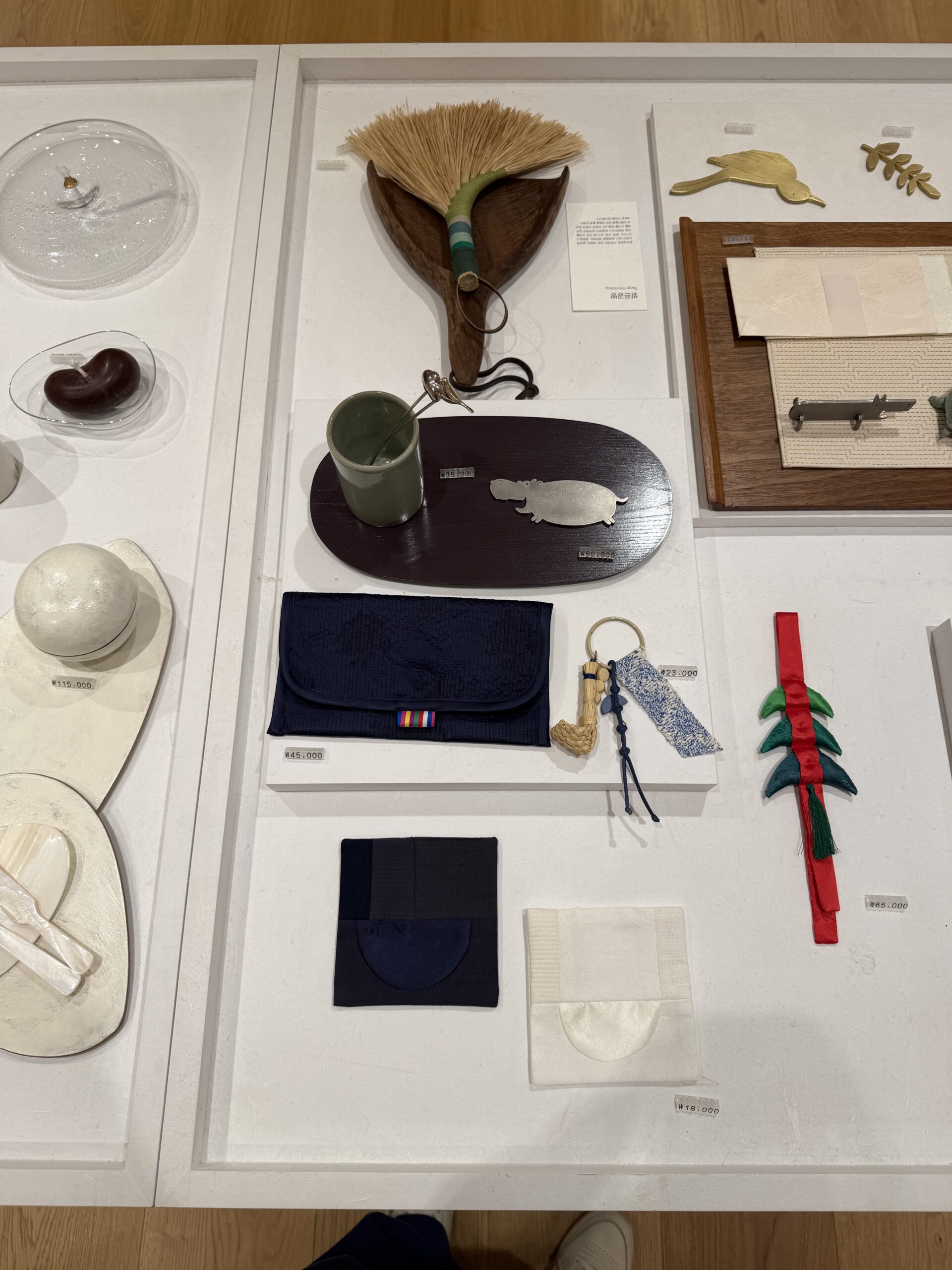
If a local wants it too… that’s saying something.
One of the first things that caught my eye was the punggyeong. It’s a traditional Korean wind chime often hung from doors or windows. The paper strip catches the breeze, while the bell gently rings whenever someone passes by. It’s such a simple object, but it somehow makes a space feel more alive.
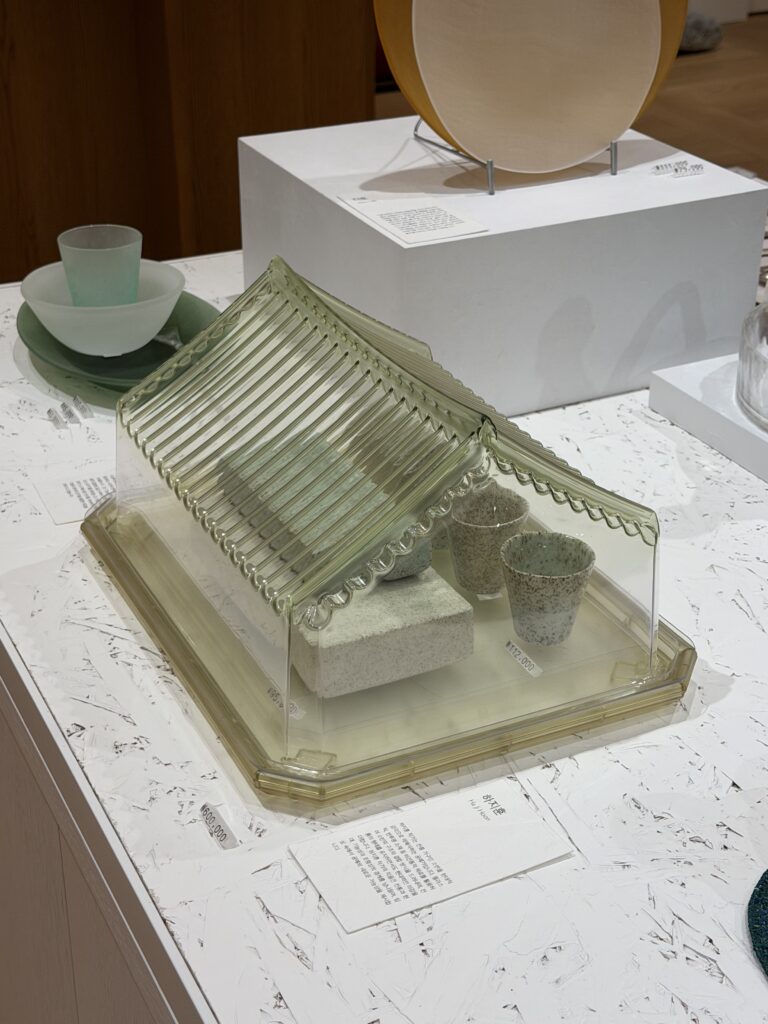
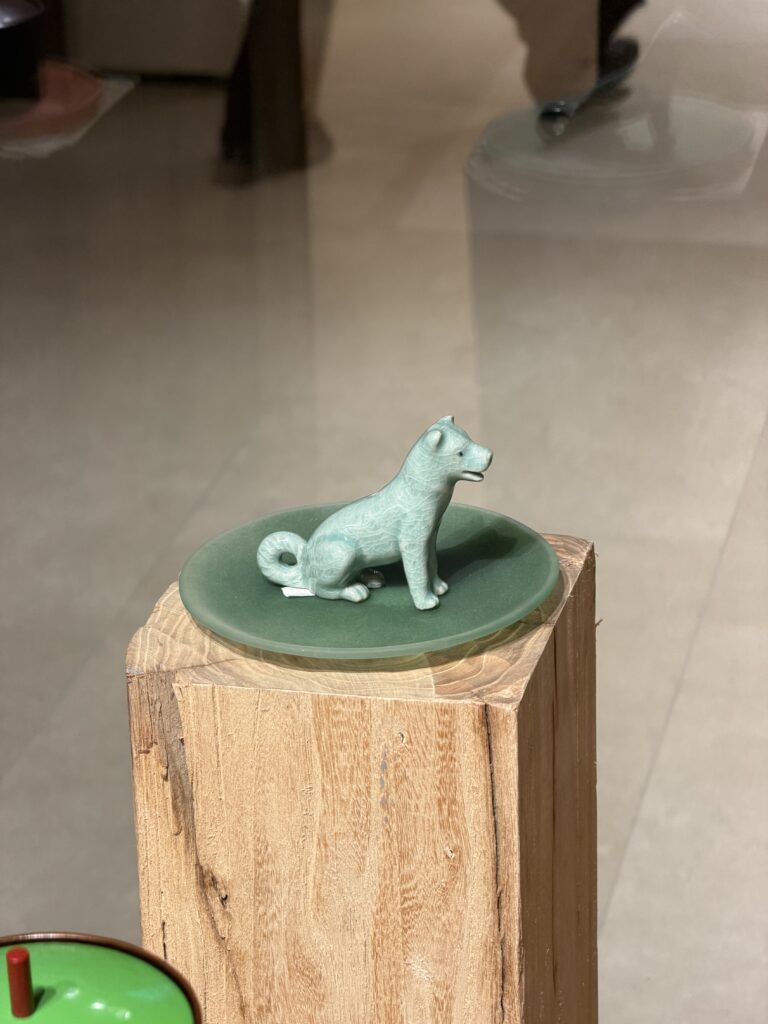
I also loved this cup with a lid inspired by the roof of a hanok, a traditional Korean house. The celadon-colored glaze made it feel unmistakably Korean without trying too hard. Honestly… it was almost too pretty to use. I’d probably end up displaying it instead.
There were plenty of other things too—bookmarks, tableware, cups, and accessories. If you’re looking for a souvenir that’s thoughtfully made and something you’ll actually keep using, I’d definitely recommend stopping by. (The bookmark almost got me… then I remembered I barely read books. The cup, on the other hand… now that’s a different story.)
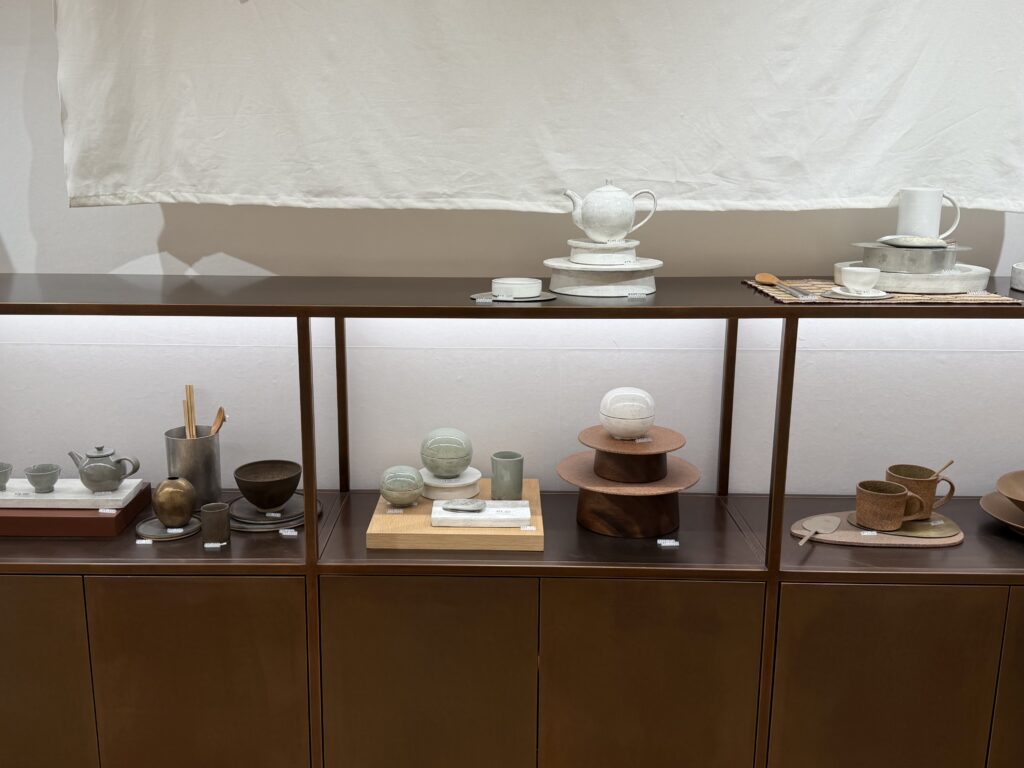
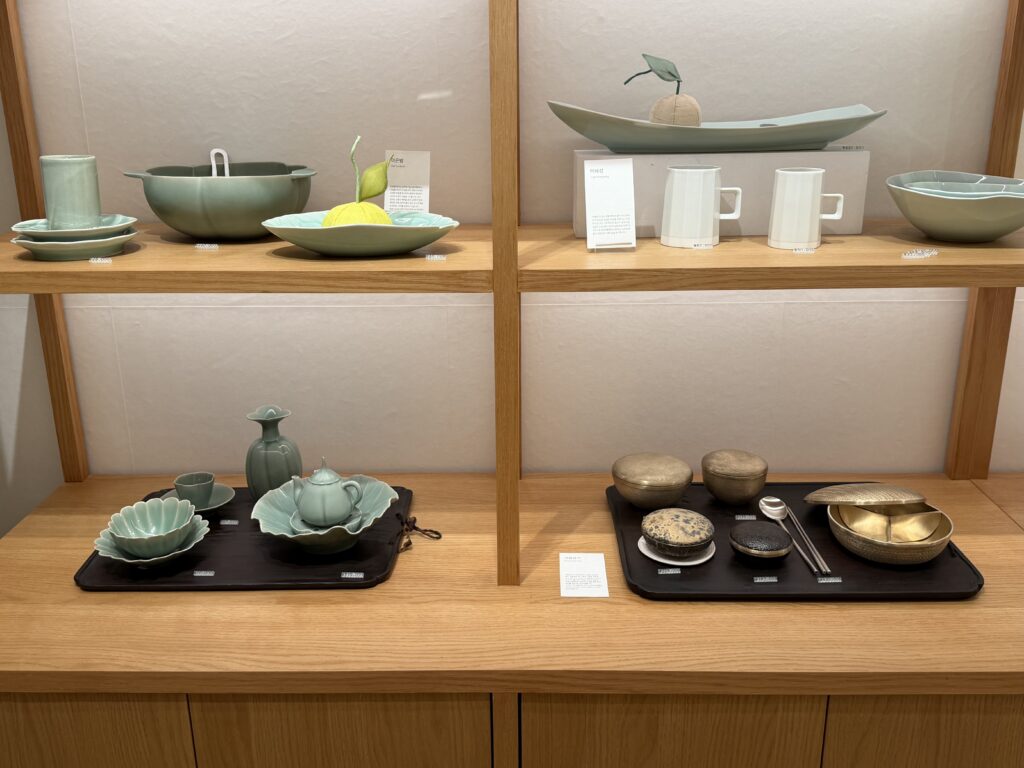
Not every Korean eats like this, by the way. 😂
This exhibition ended up making me think about my own inner room. Not a physical space, but the one inside myself. I liked that it quietly encouraged me to slow down and get a little more curious about who I am. Maybe it’s worth taking a moment to think about your own inner room too. You might discover something you hadn’t noticed before.
The exhibition has now ended, but The Heritage is still well worth a visit. If you’re ever in Seoul when another exhibition is on, I’d definitely recommend stopping by. Both the building and the exhibitions are worth experiencing.
See you in the next episode.
안녕 (BYE) !

Leave a Reply